In today's digital environment, the availability and reliability of technological platforms has become crucial in the daily lives of...
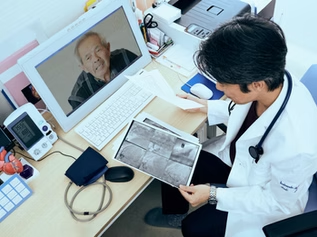
In today's digital environment, the availability and reliability of technological platforms has become crucial in people's daily lives. This is especially true in the healthcare industry, where patients increasingly rely on online services for scheduling appointments, telemedicine appointments and accessing medical results. In this context, the synthetic monitoring has emerged as a key solution to ensure that these platforms work properly and are always available.
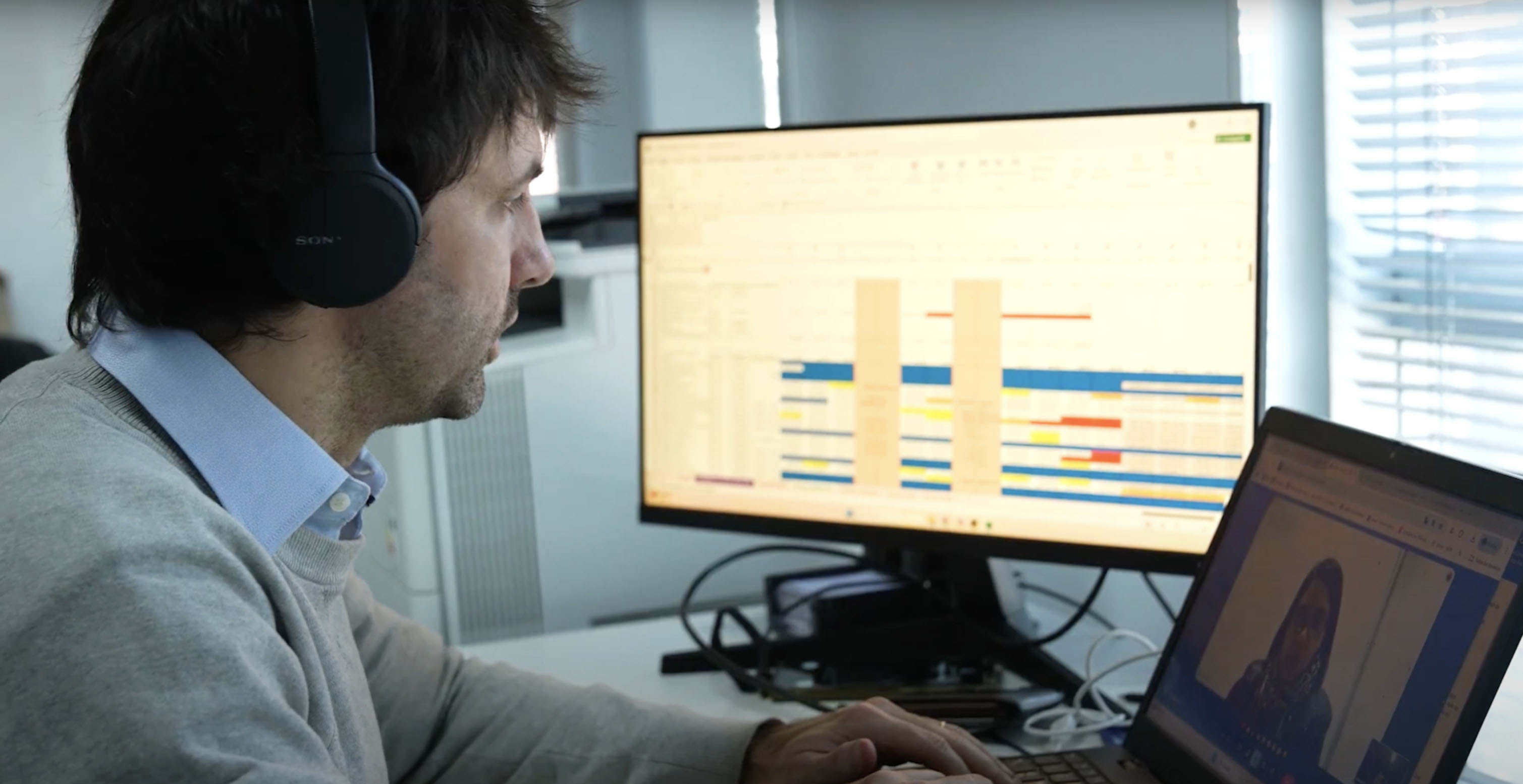
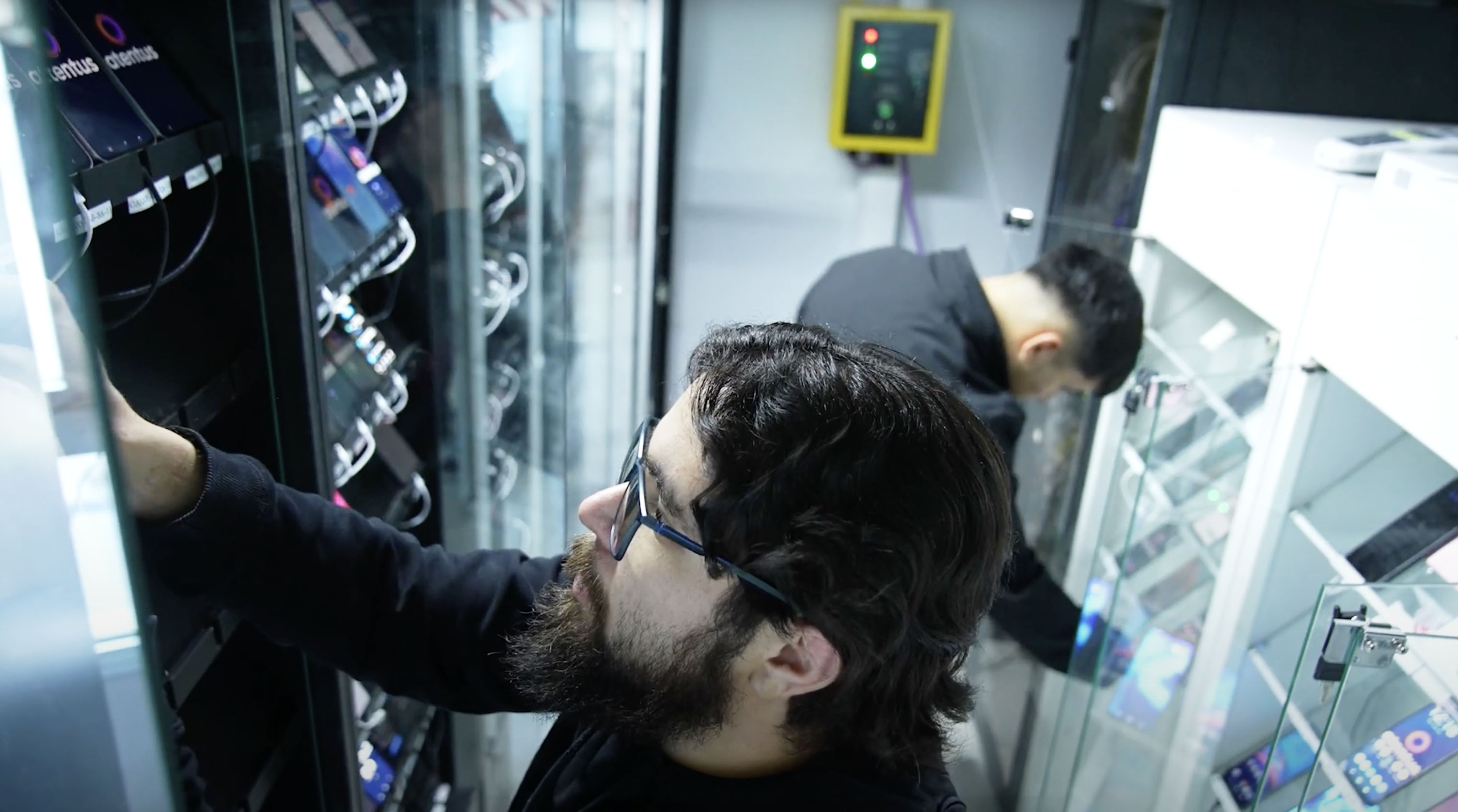
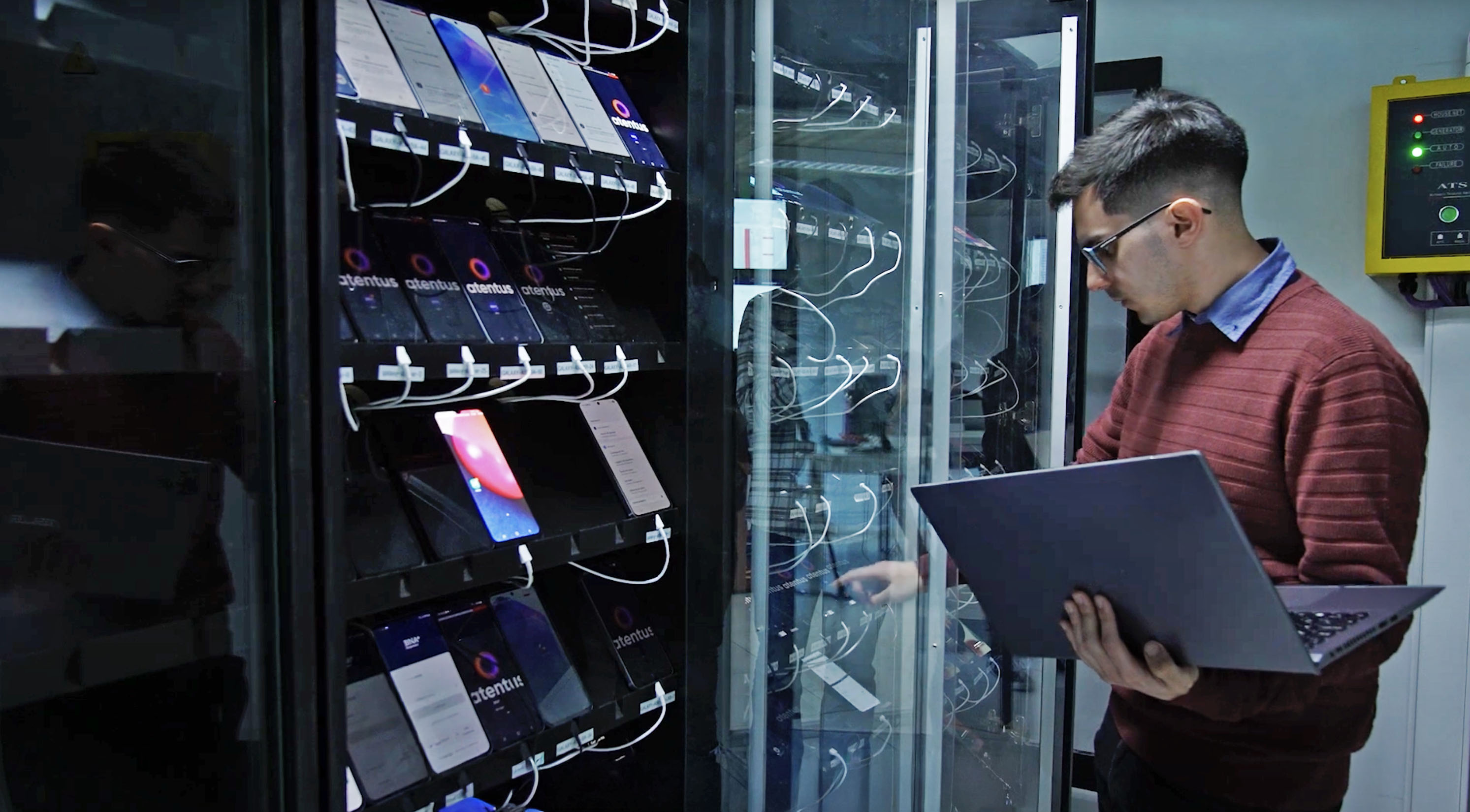
It is a type of monitoring proactive which simulates user interactions with applications or systems before problems occur. Instead of waiting for real users to experience errors or crashes in the service, the synthetic monitoring runs automatic tests on a continuous basis to detect possible faults in real time. These tests simulate different usage scenarios depending on the needs of each customer.
Especially in the healthcare sector, the reliability of technological platforms is not just a matter of convenience, but a critical need. Patients should have peace of mind knowing that they can access their health services at any time and without interruption. This is especially relevant in the case of telemedicine, a field that has experienced exponential growth in recent years.
Imagine a patient with a chronic illness who needs to see his doctor urgently through a video call. If the platform is not available or works erratically, the patient could face delays in their treatment or diagnosis, which could have serious consequences. This is where synthetic monitoring becomes a true “game changer”.
Synthetic monitoring has the potential to dramatically improve the patient experience. Health systems cannot afford prolonged or intermittent failures, and this type of monitoring helps identify problems before patients are affected. For example, if monitoring detects that the appointment scheduling process is failing at a certain step, the IT team can act immediately to fix it, preventing hundreds or thousands of patients from experiencing difficulties.
In addition, synthetic monitoring is also essential to ensure that the patient experience is consistent and uninterrupted. It's not just that the platform is available, but that it works smoothly and effectively. Slow load times, forms that are not submitted correctly, or problems with video call connectivity are all factors that can negatively impact the patient's perception of the quality of the service, eventually leading them to seek medical attention elsewhere.
Telemedicine, one of the fastest-growing areas in the healthcare sector, benefits greatly from synthetic monitoring. With remote inquiries on the rise, it's vital that video calling and messaging platforms work properly. Any interruption can cause a patient to miss an appointment or not receive a timely diagnosis.
Thanks to synthetic monitoring, telemedicine systems can be constantly evaluated, ensuring the stability of connections and the quality of video calls. This monitoring can also simulate the experience of users in different geographical locations, with different Internet providers, allowing problems to be predicted and mitigated before they become a real obstacle.
Another crucial aspect in the field of health is the reduction of risks and costs associated with service interruptions. Every minute that a health platform is down can result in a loss of revenue, but the most serious thing is that it can endanger patients' health. Health institutions face a great responsibility when it comes to protecting the sensitive data of their users, so any interruption or vulnerability can also create security problems.
Synthetic monitoring allows problems to be detected and resolved more quickly and efficiently, reducing downtime and ensuring greater continuity of service. In the long term, this not only protects patients' health, but it also helps organizations reduce operating costs related to solving unexpected problems.
As information and communication technologies continue to evolve, synthetic monitoring is likely to become a standard in the healthcare industry. Organizations that adopt this technology will be better positioned to provide continuous, safe and reliable service to their patients.
In a world where patients expect accessibility, reliability and efficiency, ensuring that health platforms are always available isn't just a competitive advantage, but a responsibility.
We invite you to start a free demo and give your patients the experience they deserve and need.




























%20vs%20Monitoreo%20Sint%C3%A9tico.avif)