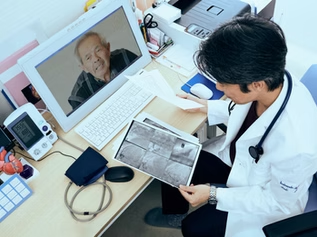
It's not about reacting. It's about anticipating, learning and constantly improving.

Companies that offer the best digital experiences have one thing in common: they don't hear about problems from their users.
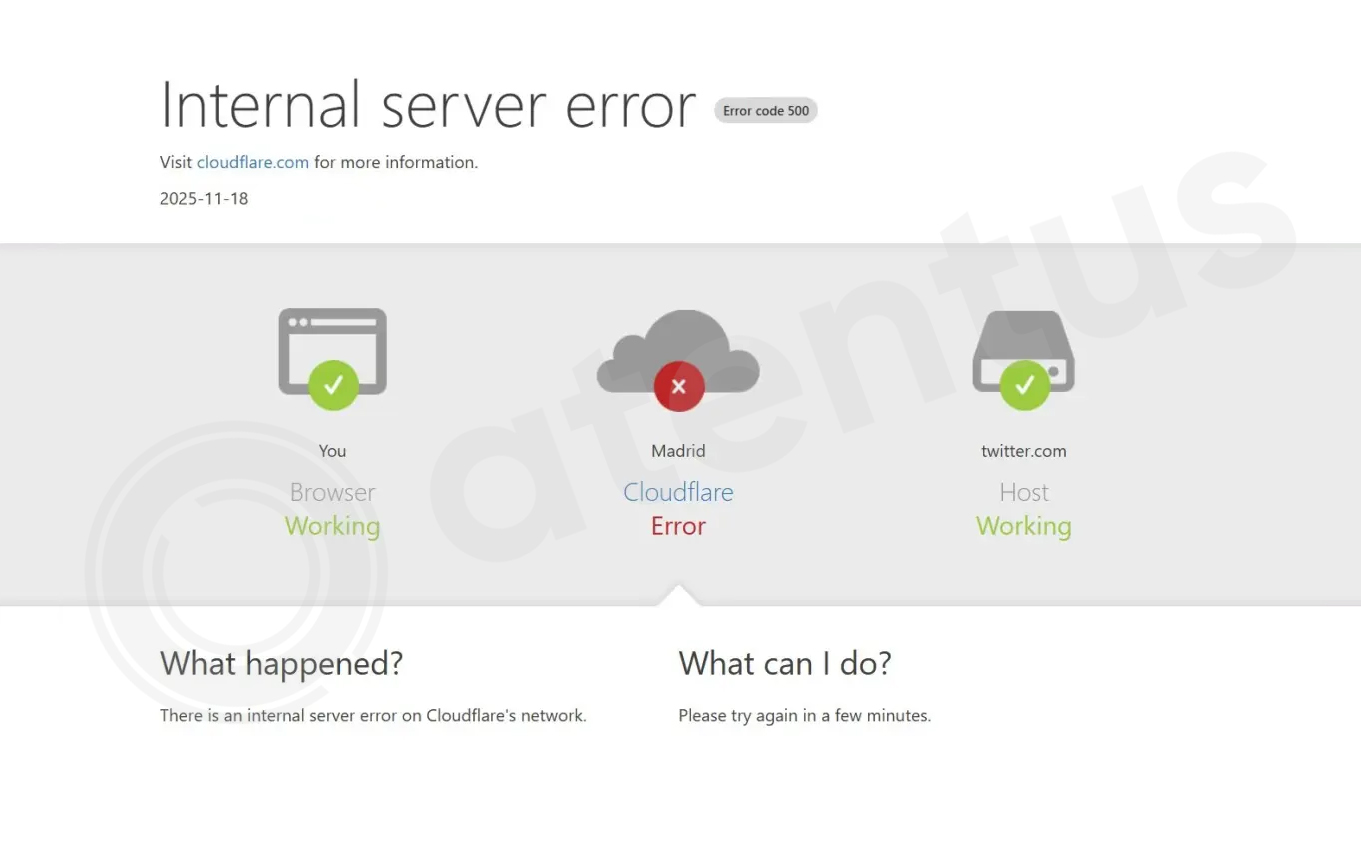
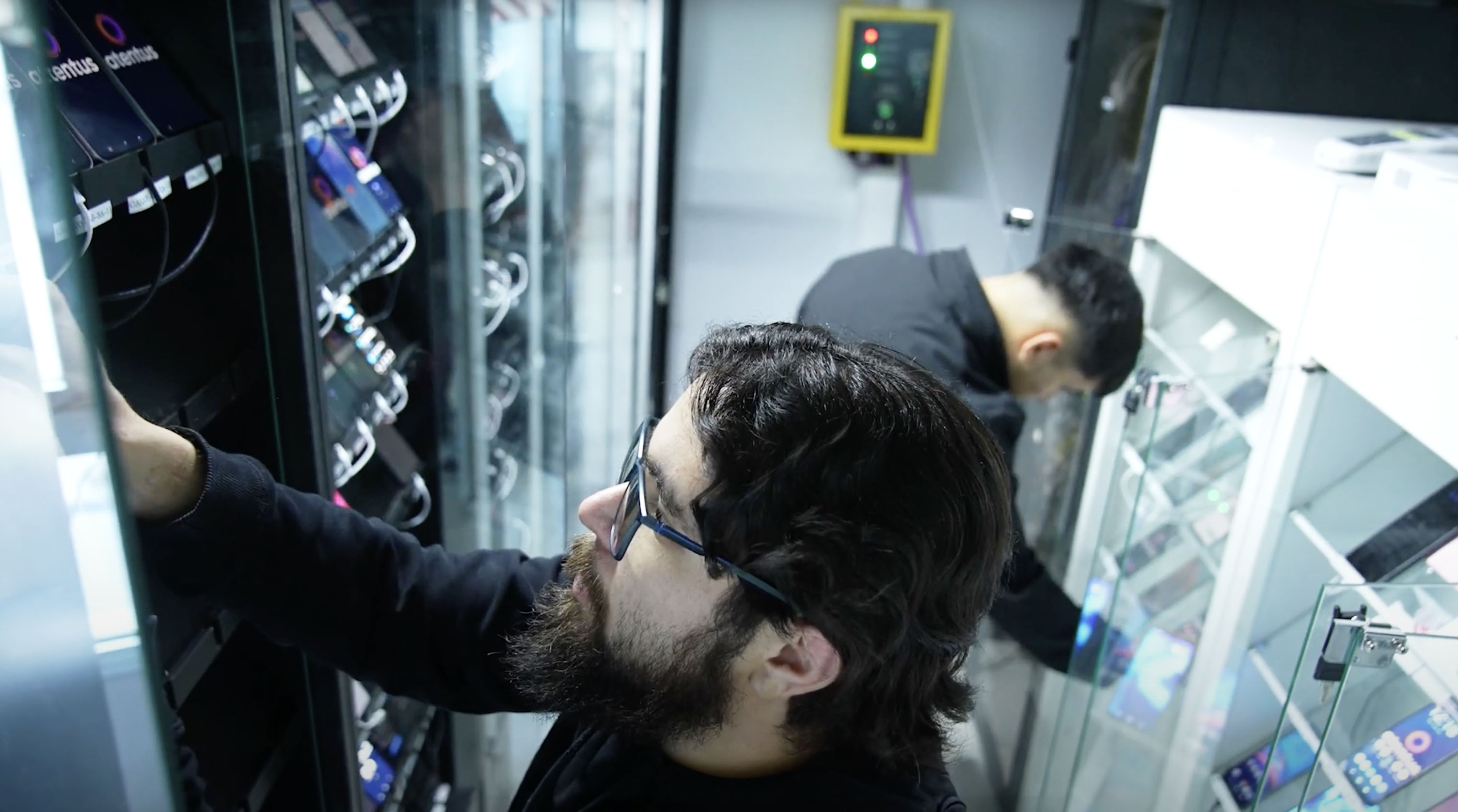
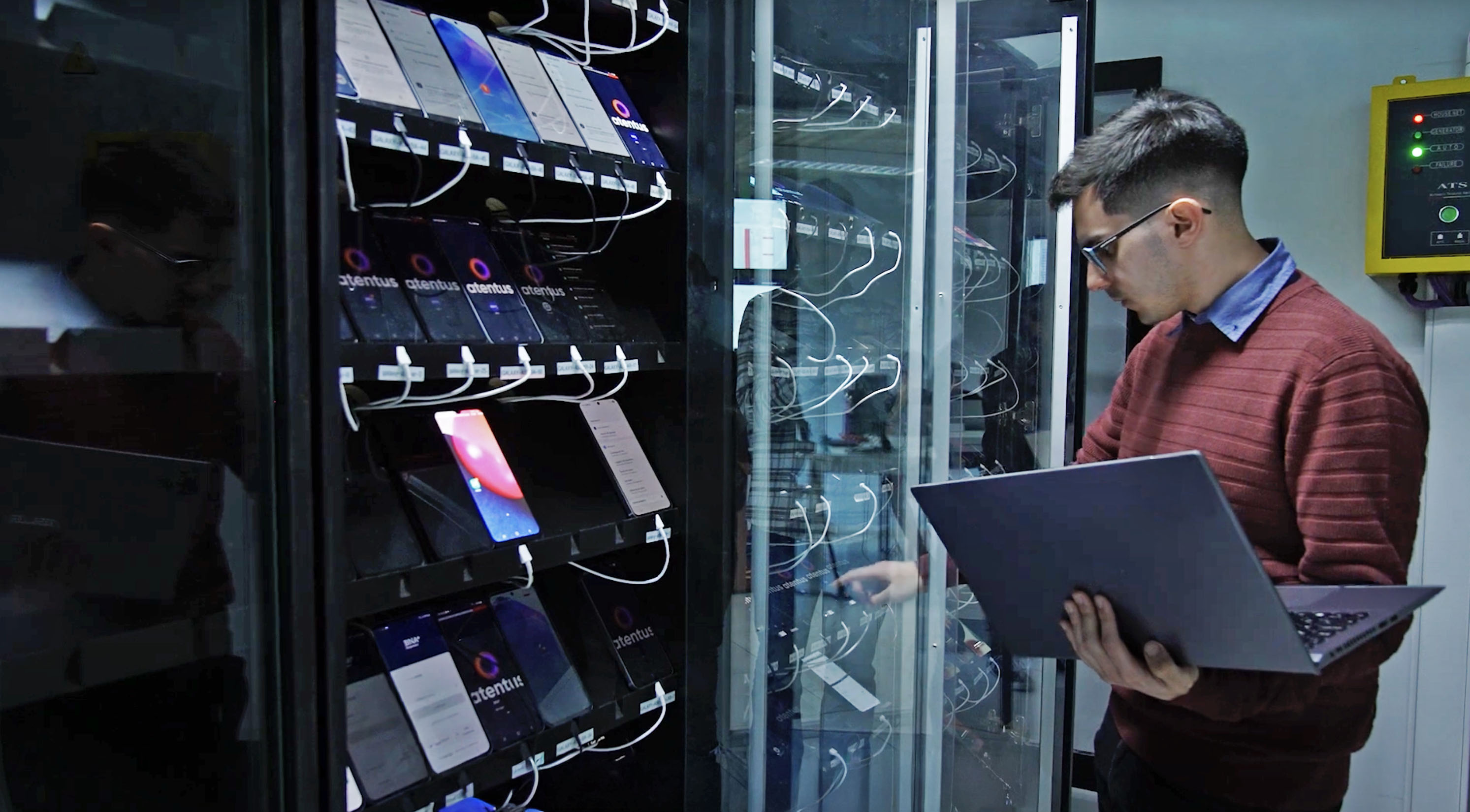
While many react when the site goes down or the app starts to slow down, the leaders they knew that before. And not by chance: they use synthetic monitoring, a way to simulate the navigation of a real user to detect friction before it generates an impact.
In simple words: they don't just measure what's happening, but what's about to happen.
Imagine that a system runs through your website or app as if it were a real customer. You click, fill out forms, try to buy, log in... and all that process is recorded.
If something doesn't work as it should — a page that delays, a button that doesn't load, a flow that cuts off — the system detects it before anyone notices it on the other side.
That's synthetic monitoring: a kind of “ghost user” that tests your experience 24x7, even during non-working hours when there is no real traffic.
Because it's not just about detecting technical flaws, but rather to protect customer trust. And trust is built in milliseconds: when everything works quickly, smoothly, without surprises.
Synthetic monitoring makes it possible to act sooner. Identify where a user could get frustrated, improve response time, prevent falls and, ultimately, keep the brand's digital promise alive.
Every second counts: one more click can be a sale, one less wait can be a returning customer.
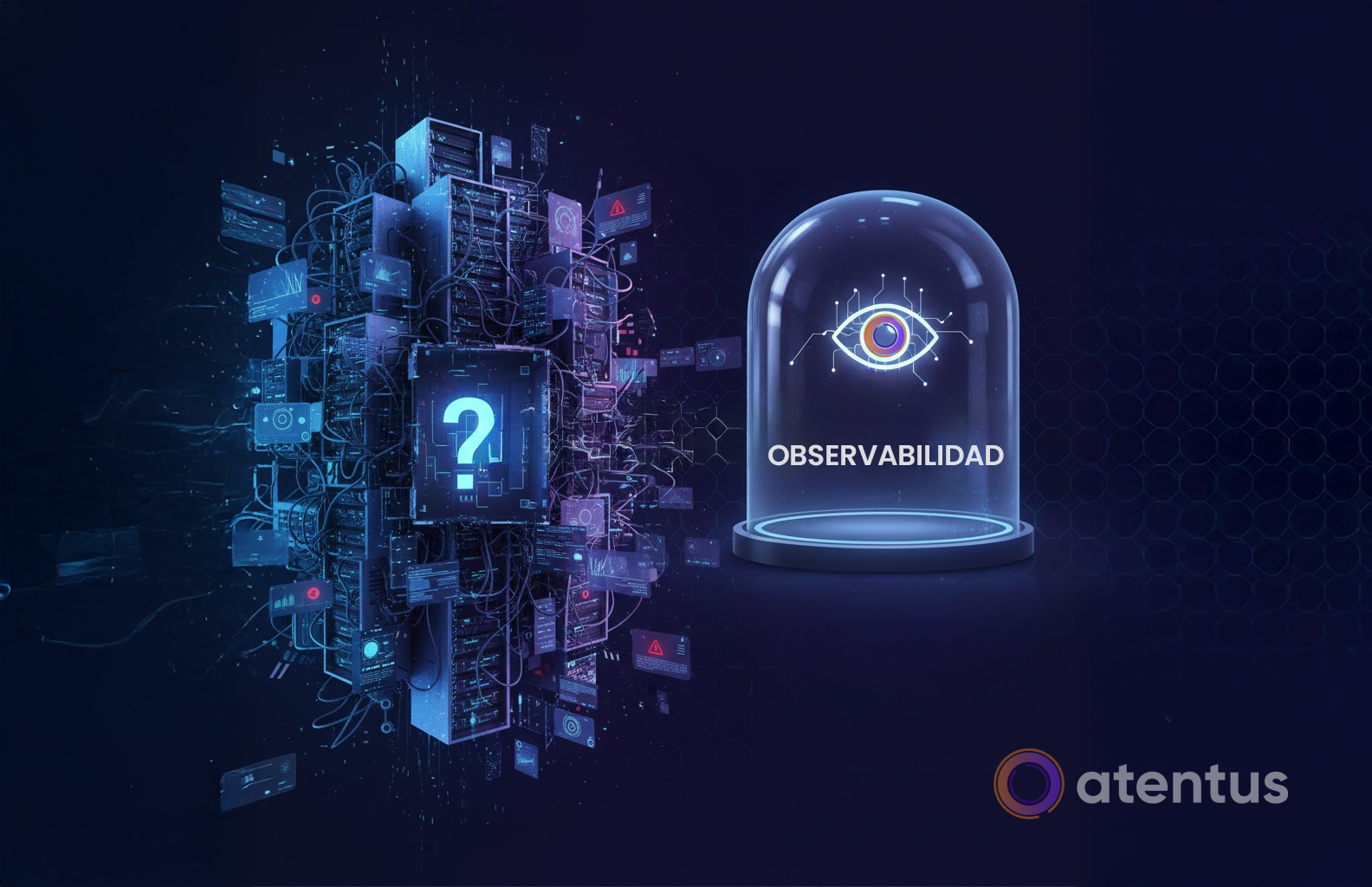
Synthetic monitoring is just one part of a larger whole: total observability. A continuous management model where technology, AI and human teams work together to see beyond isolated data.
It's not about reacting. It's about anticipating, learning and constantly improving.
Does your monitoring see what your users see? In Atentus, we help you achieve a state of total observability.





















%20vs%20Monitoreo%20Sint%C3%A9tico.avif)