¿Alguna vez has experimentado una interrupción en tu sitio web que resultó en la pérdida de clientes y, lo que es peor, en la erosión de la confianza de tus usuarios? Si la respuesta es sí, es momento de que conozcas el poder del monitoreo sintético.
¿Qué es el monitoreo sintético?
El monitoreo sintético es la práctica de simular las interacciones reales del usuario con una app, ecommerce o web transaccional. Luego, los datos generados a partir de las transacciones simuladas se analizan para evaluar cómo se comporta el sistema. Por ejemplo, podrías usar el monitoreo sintético para determinar si tu sitio web logra la carga de página, los tiempos de respuesta y los tiempos de actividad deseados.
Después de recopilar y analizar estos valiosos datos de rendimiento, una solución de monitoreo sintético puede:
- Brindarte información crucial sobre el rendimiento de tu aplicación.
- Controlar automáticamente el tiempo de actividad y decirte cómo responde tu aplicación al comportamiento típico del usuario.
- Enfocarse en transacciones comerciales específicas, por ejemplo, al alertarte sobre problemas que tus usuarios pueden experimentar al intentar completar una compra o un formulario web.
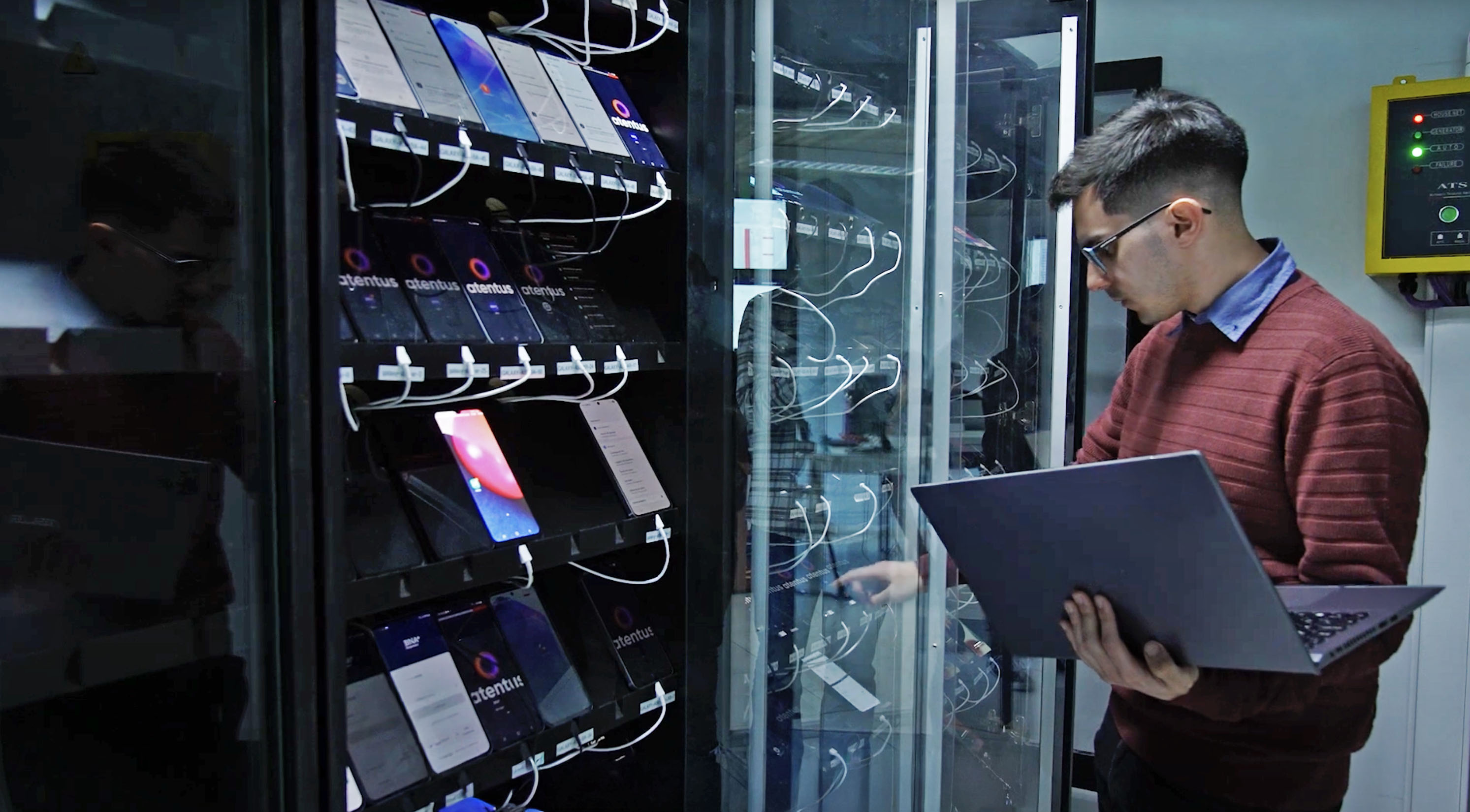
El monitoreo sintético de Atentus te permite crear pruebas sin código que simulan de manera proactiva las transacciones de los usuarios en tus aplicaciones y monitorean puntos finales de red clave en varias capas de tus sistemas. Detecta rápidamente los problemas a los que se enfrentan tus usuarios con pruebas de navegador y API, e inicia investigaciones en todo el sistema para que puedas optimizar el rendimiento y mejorar tu experiencia de usuario final.
¿Por qué usar monitoreo sintético?
Si tu aplicación no funciona bien cuando tus clientes intentan usarla, se irán rápidamente en busca de una mejor experiencia. Esto podría desarrollarse de varias formas:
- Altas tasas de rebote: Tu sitio web puede tardar demasiado en cargarse. O bien, es posible que te estés quedando atrás con respecto a tus competidores sin siquiera saberlo. Esto perjudicará tu capacidad para adquirir nuevos clientes.
- Dificultad en solución de problemas: Incluso cuando tu organización es consciente de que algo anda mal, es posible que no sepas por dónde empezar.
Emular las rutas de comportamiento del usuario te ayuda a evitar estos problemas para que puedas:
- Monitorear la salud del sistema: El monitoreo sintético puede decirte si tu sitio está disponible y dónde está la falla.
- Mejorar el rendimiento: Obtén puntos de referencia para optimizar tu plataforma.
- Prevenir problemas temprano: Puedes encontrar y corregir errores antes de que afecten a tus usuarios.
Las 7 razones de por qué lo necesitas
- Encuentra y soluciona problemas antes de que afecten a tus usuarios finales: Te ayuda a emular interacciones y te alerta en caso de degradación del rendimiento. Así, obtienes ancho de banda para solucionar fallas antes de que el usuario las note.
- Línea de base y evaluación comparativa: Te da la capacidad de monitorear tu app con la frecuencia que elijas. Puedes comparar tu disponibilidad con tu histórico o con la competencia.
- Prepárate para la temporada alta de tráfico: Imagina una nueva campaña; el monitoreo sintético te permite simular tráfico de forma proactiva para garantizar que todo funcione.
- Supervisa transacciones complejas: No basta con saber si el sitio "está vivo". Puedes emular procesos como el login o el carrito de compras y formular tu plan de mejora.
- Mide y adhiérete a los SLA: Ya seas proveedor o cliente, estos datos te ayudan a establecer objetivos reales y evitar sanciones.
- Haz que tus proveedores externos rindan cuentas: Si una pasarela de pagos o un chat externo falla, podrás identificarlo y exigir responsabilidades.
- Prueba desde la perspectiva de tus usuarios finales: Al probar desde diferentes navegadores y geografías, puedes estar preparado para todos los escenarios posibles.
Monitoreo sintético vs. Monitoreo de usuario real
Ambos términos se refieren a técnicas para rastrear la experiencia del usuario, pero difieren en el "cómo":
- Monitoreo Sintético: Se realiza mediante simulaciones. Es útil para identificar errores antes de que tus usuarios los encuentren.
- Monitoreo de Usuario Real (RUM): Recopila datos directamente de tus usuarios finales durante su navegación. Proporciona una imagen precisa, pero el problema solo se identifica cuando ya les ha afectado.
En Atentus los utilizamos en conjunto para que tengas una visión completa.
Comienza el monitoreo sintético. Prueba Atentus
Atentus te brinda el servicio de monitoreo sintético para que tengas visibilidad externa sobre tus plataformas. Nuestros robots alertan a tu equipo de trabajo en tiempo real, de tal manera que sea posible tomar acciones para evitar la insatisfacción de tus usuarios.
El monitoreo sintético de Atentus te permite crear pruebas sin código. Detecta rápidamente los problemas y optimiza tu rendimiento para mejorar la experiencia de tu usuario final.































%20vs%20Monitoreo%20Sint%C3%A9tico.avif)