What is RUM?
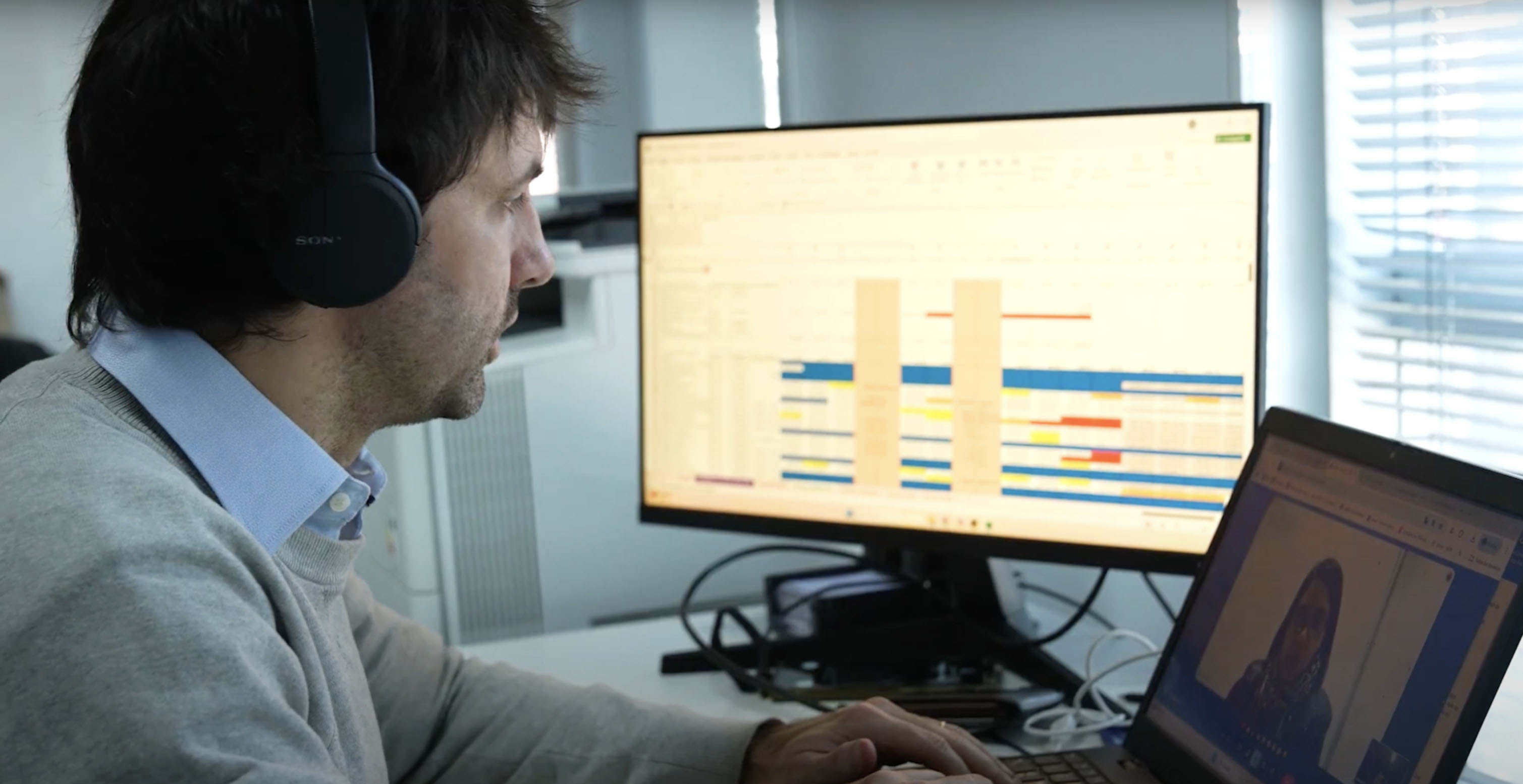
Real user monitoring (RUM) is a performance monitoring process that collects detailed data about user interactions with an application. A user session, or user journey, is the sequence of actions taken by a user while working with an application. User sessions can vary significantly, even within a single application. RUM collects data about each user action within a session, including the time needed to complete the action. As a result, IT professionals can identify patterns and where to make improvements to the user experience.
RUM Benefits and Challenges
RUM is great for providing real metrics of real users browsing a site or application, some of its benefits are:
- Access to real end user data in a variety of applications, services and environments.
- The ability to collect a different set of data points for each user accessing the application or services.
- Real-time monitoring of user interactions with the application and services.
- Improved problem remediation with the option to view visual repetitions of user sessions interacting with web services or applications.
However, RUM has some limitations, which includes the following:
- RUM works only when people are actively visiting the application, website or services.
- In some cases, it will lack reference capabilities. Because RUM is based on user-generated traffic, it's difficult to indicate persistent problems in general.
- RUM generates a lot of data, however, the volume of data it generates can make responding to specific problems cumbersome and difficult to prioritize.
What is Synthetic Monitoring?
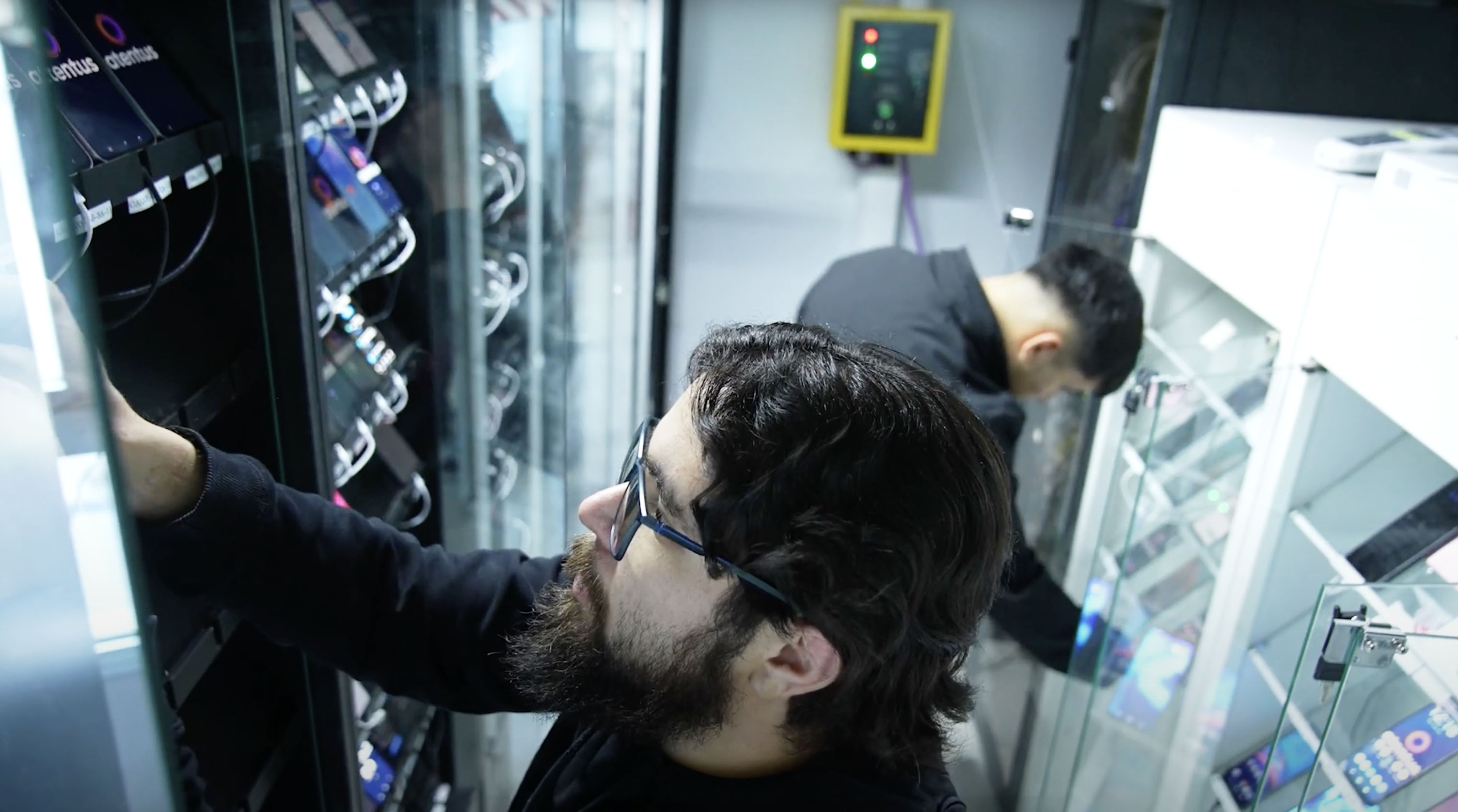
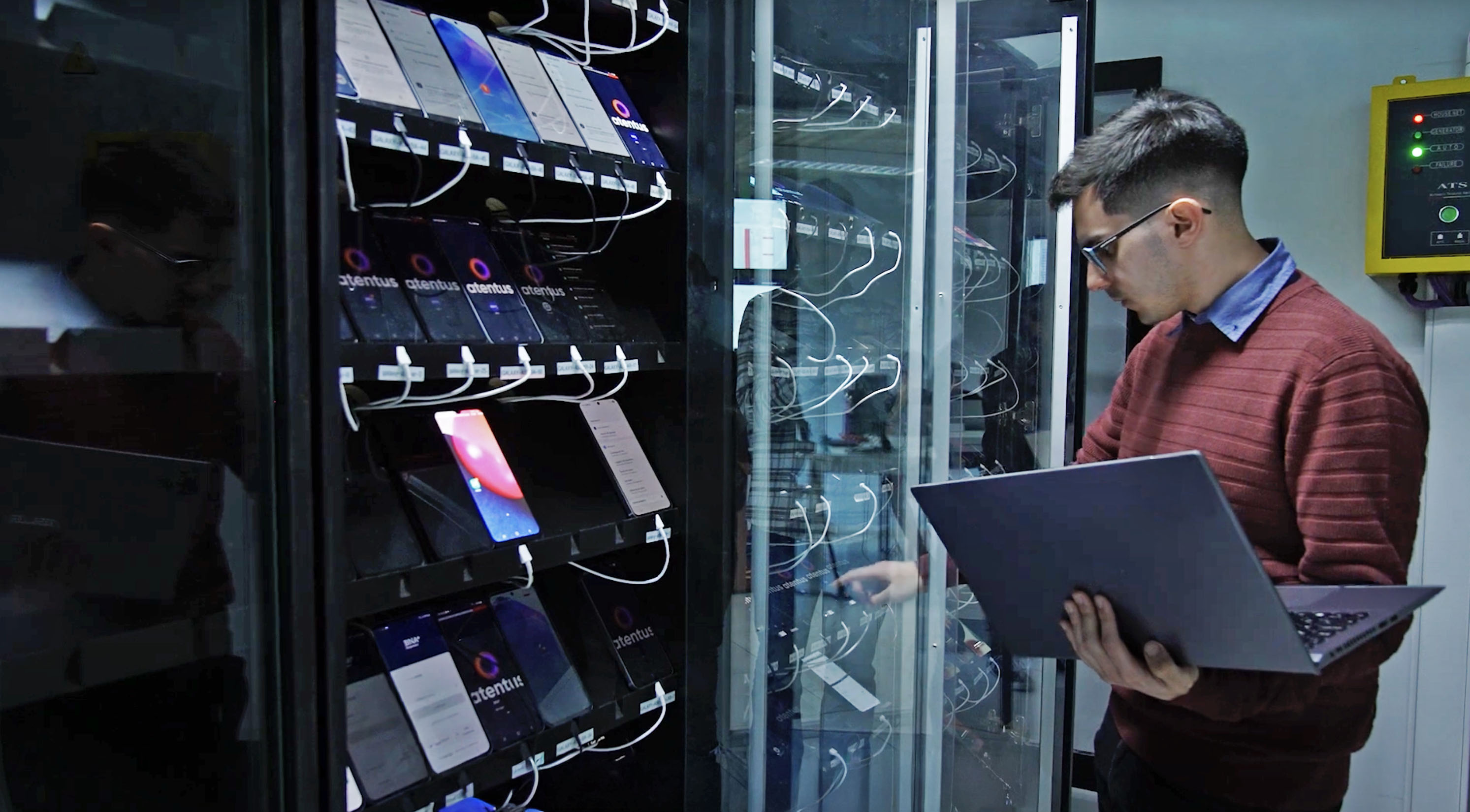
Synthetic monitoring, also known as synthetic transaction management (STM) or active monitoring, uses pre-recorded scripts to emulate the actions a user would take against an application or web application. Synthetic monitoring allows DevOps and IT staff to proactively measure the availability and performance of applications and infrastructure. Synthetic transactions can be executed 24 hours a day, 7 days a week, and allow teams to detect any end-to-end problem with a dependent application or infrastructure.
You can think of synthetic transactions as a robot that constantly monitors an application as often as once every 5 minutes.
Benefits and Challenges of Synthetic Monitoring
Synthetic monitoring is great for proactively detecting errors, to resolve them before they affect the user experience.
The benefits of synthetic monitoring include the following:
- Simulation of complete user journeys identical to the real one, at intervals of 15 minutes.
- Confirmation of incidents, running the same test from at least 3 different internet providers.
- Ability to identify application performance problems and potential problems by running tests without the need for real traffic.
- Customized tests based on specific business processes and transactions that directly affect the business.
- Monitoring of complex transactions and processes that may have deeper dependencies. For example, a user who wants to make an Electronic Fund Transfer (EFT) or purchase a product on an e-commerce site using different digital payment methods.
- Distinguish between alerts that affect the service and alerts that don't, and reduce the frequency with which you wake up in the middle of the night.
- Performance tests based on variable metrics (for example, connectivity, availability, and response times)
- Possibility to monitor performance at every stage, including development and production.
However, as with RUM, synthetic monitoring has its limitations.
Here are some of the downsides:
- Synthetic monitoring requires constant maintenance by a specialized team.
- In synthetic monitoring, tests and results are generated in a controlled and predictable environment.
- The range of costs and feature sets can vary widely for synthetic monitoring tools. It is recommended to work with partners that can offer managed synthetic monitoring services such as atentus.
Benefits of using synthetic and real monitoring together:
- Eliminate the identification of culprits.
- It reduces the average time to solve problems.
- Understanding the impact on real users enables better business decisions to be made.
- Involve business owners in the discussion.
A unified system that combines both synthetic and real monitoring not only facilitates these organizational changes, but if properly implemented, provides greater ease of use, a single system for learning, and data combined and displayed in a common way.
%20vs%20Monitoreo%20Sint%C3%A9tico.avif)