In the era of e-commerce, every second counts. Anticipating failures not only protects revenues and reputation, but it ensures fast and secure digital experiences.

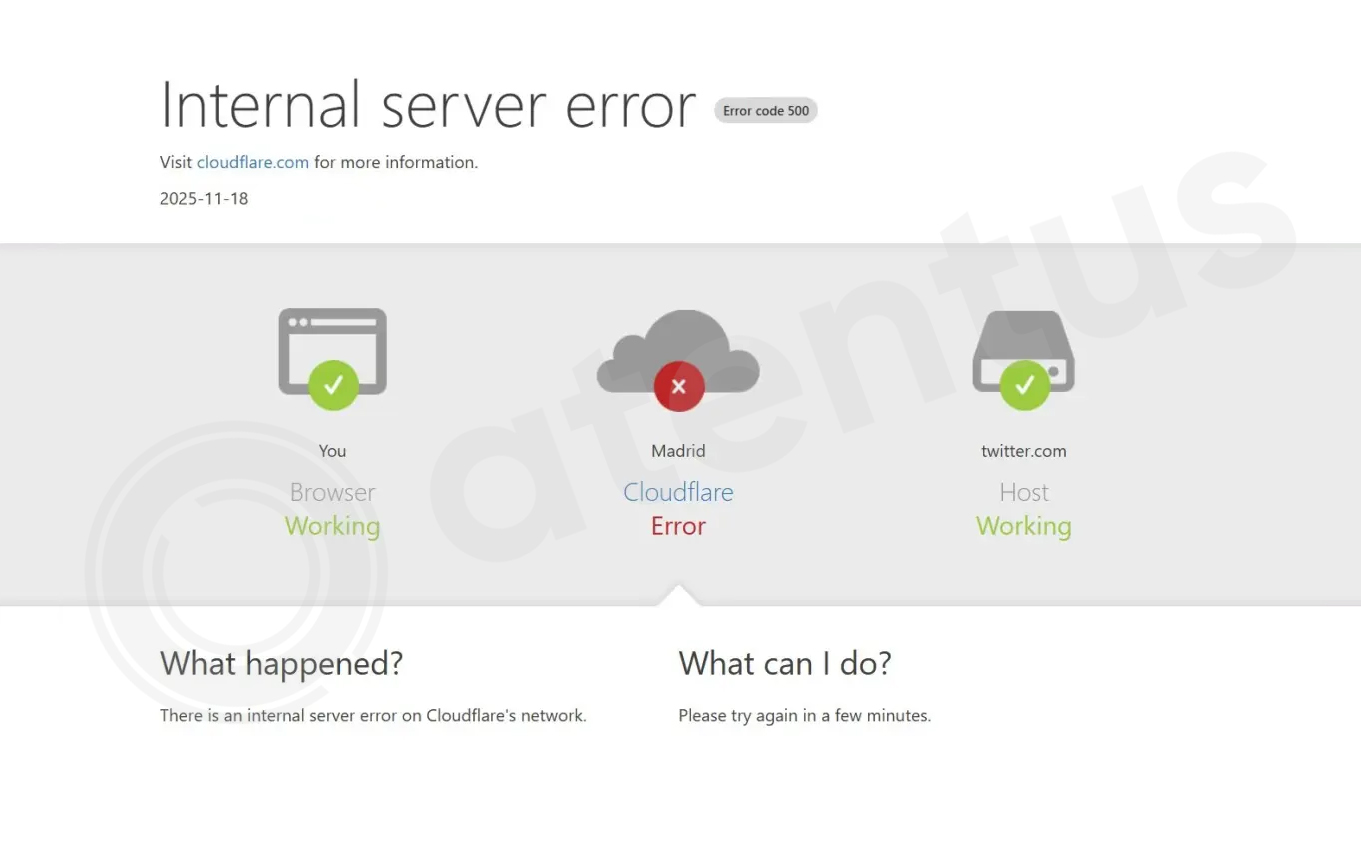
In the midst of the era of e-commerce and online transactions, the continuity of digital platforms has become a critical factor for companies' reputation and business. An error in the authentication of a banking app, the crash of a retail site on days of high traffic or a failure in the payment gateway can cause millions of dollars in losses in a matter of minutes.
New Relic's 2024 Observability Forecast indicates that engineering teams spent up to 30% of their time managing interrupts, and that those with the highest impact generated costs to companies of at least one million dollars per hour.
In this context, experts in monitoring and observability stress that the key is no longer just to react to a problem, but to anticipate it. “What you see has a solution. The challenge is to detect before the user experiences it,” says Jessica Gutierrez, Country Manager of Mexico at Atentus, a firm specialized in digital experience management with more than 25 years of experience in the region.
The concept of observability refers to the ability to understand what is happening within a digital ecosystem based on data, metrics and records. It's not just about monitoring falls, but about obtaining a comprehensive view to prevent incidents before they impact the business.
One approach that is gaining ground is that of end-to-end observability, which combines different layers of monitoring — from infrastructure to the end user experience — to anticipate failures. This model also integrates advanced analytics and data correlation, allowing companies to understand the behavior of their platforms and customers and make strategic decisions with accurate information.
One of the most used methodologies today is synthetic monitoring, which reproduces the navigation of real users on websites, mobile applications and even IVR systems. This way, it is possible to detect authentication errors, slow purchase processes or failures in integrations with third-party services, such as payment gateways, in advance.
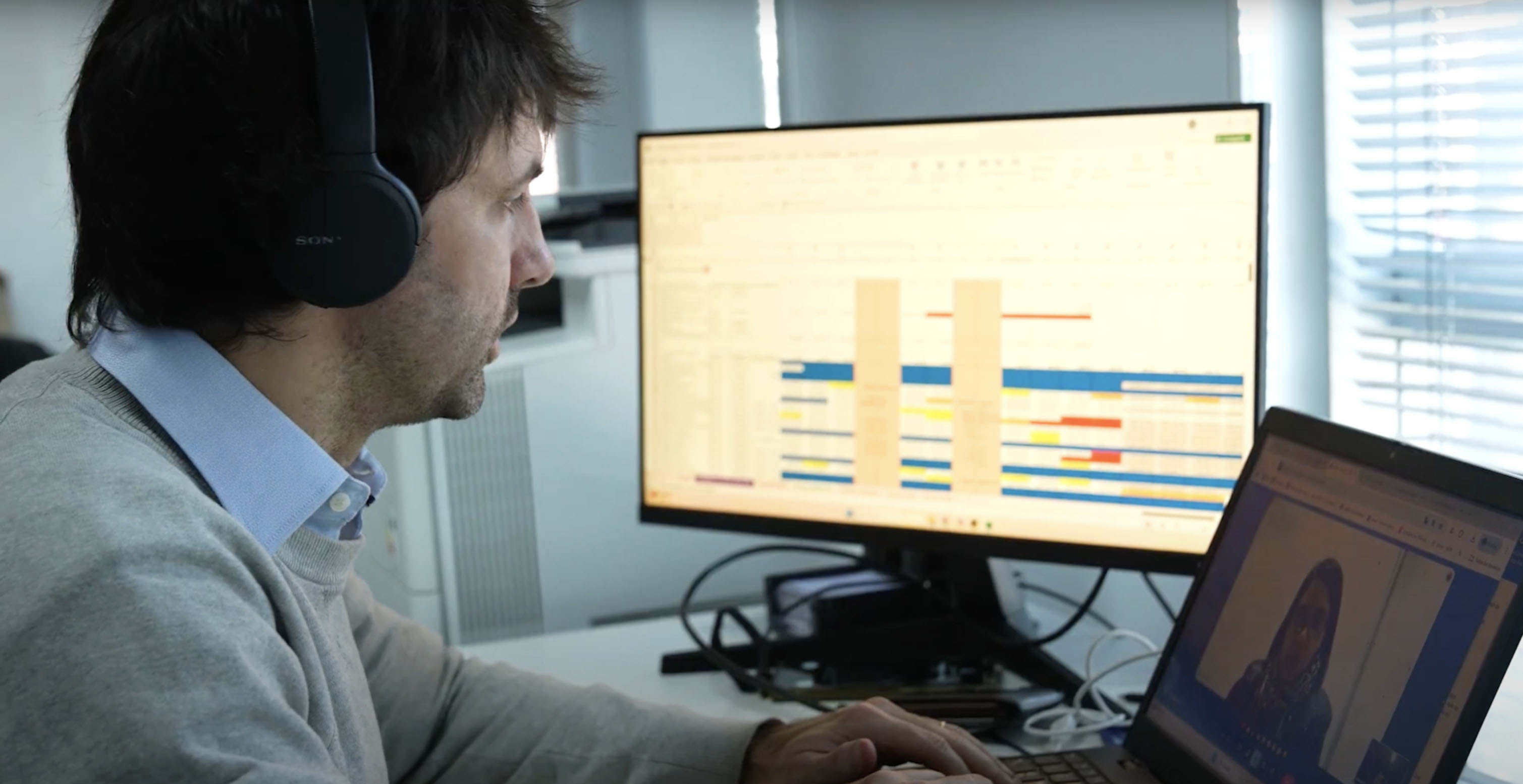
Atentus, for example, implements this approach through its Sentinel method, which works 24 hours a day simulating critical interactions. The analysis of these data is centralized in a Management and Monitoring Center (CGM) made up of specialized engineers. There, automated alerts are generated in real time that allow companies to react before the end user perceives the problem.
“With Observability 360, we can identify everything from infrastructure to customer experience and offer a comprehensive view of the digital ecosystem,” explains Gutierrez.
According to the specialists, having a solid observability scheme allows us to anticipate incidents that directly impact business continuity and user experience:
Recent experience shows that this approach is not a theory, but a concrete tool for avoiding crises. In Mexico, a well-known retail chain managed to overcome a collapse in its online sales during the Hot Sale thanks to the early detection of a latency problem in its payment gateway. The failure, imperceptible to the naked eye, was beginning to generate shopping cart abandonments and could have meant millions of pesos in losses.
Atentus currently operates in seven Latin American countries (Argentina, Chile, Colombia, Mexico, Peru, Uruguay and Ecuador) and works with sectors such as banking, retail, education, health, insurance, telecommunications and government. Its experience in observability methodologies has positioned the company as a regional reference in the prevention of digital crises and in the construction of fluid and reliable user experiences.
“The digital experience is no longer an accessory, it's the heart of the business. Therefore, prevention will always be more profitable than repair”, concludes Gutierrez.
Source: NoTimX (Mexico)
https://www.notimx.mx/2025/09/monitoreo-y-observabilidad-las-claves.html

































%20vs%20Monitoreo%20Sint%C3%A9tico.avif)