Small undetected errors can result in large losses. Anticipating with monitoring and observability can prevent failures, protect operation and ensure an uninterrupted digital experience.

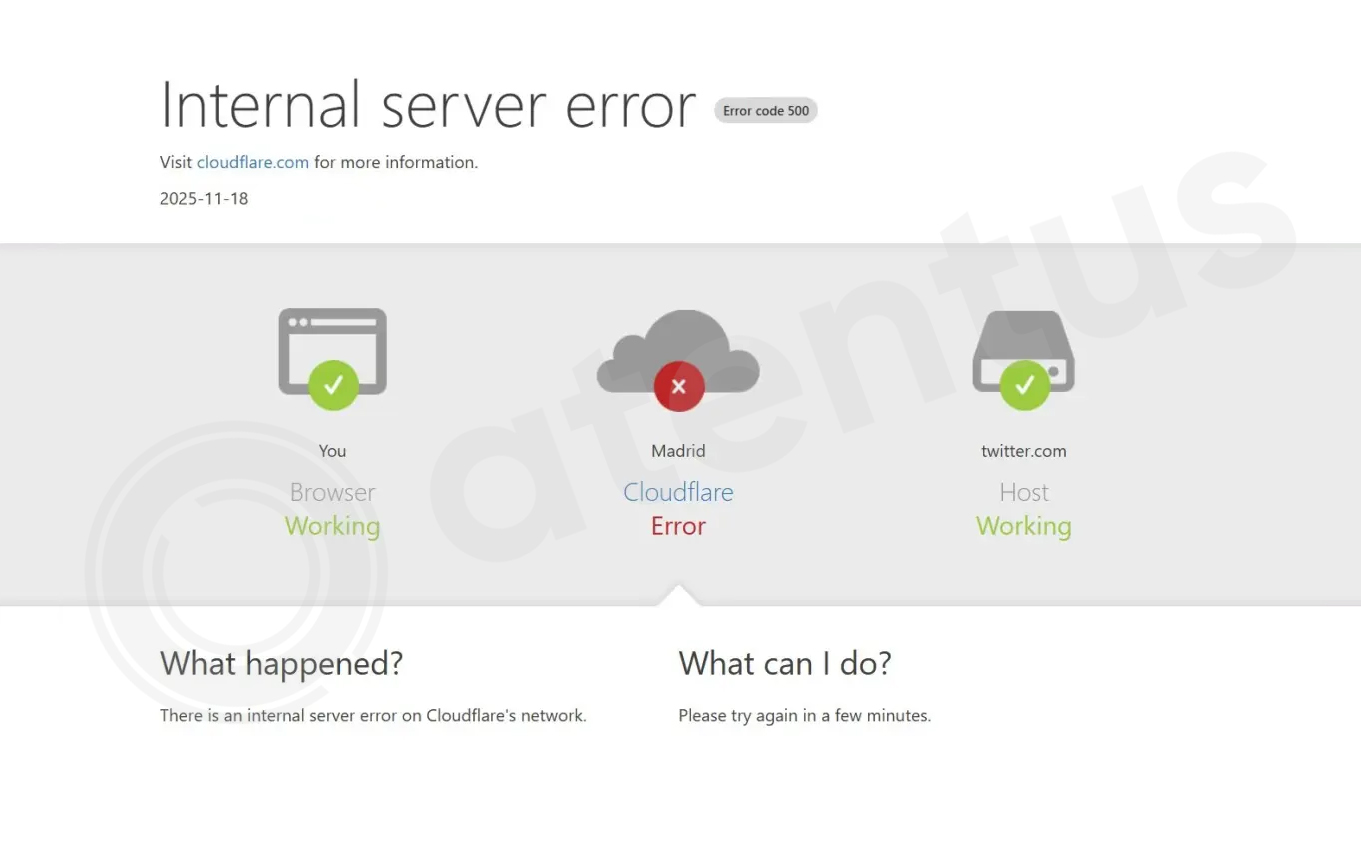
In the digital business world, what you don't see is often what has the most impact. Invisible flaws in online platforms — whether in a banking application, an e-commerce site or a payment gateway — can transform a high-performance day into significant losses in a matter of minutes. The paradoxical thing is that many of these crises do not arise from major technological catastrophes, but from small errors that multiply when no one detects them in time.
For years, the predominant approach was to react: waiting for users to report a problem, accumulating complaints in service channels and only then activating the technical team. Today, in an ecosystem where the digital experience is the true showcase for companies, that scheme has become obsolete. The challenge is not to respond to crises, but to anticipate them.
“Every second of delay or error on digital platforms represents a direct risk to the operation and perception of the brand in question. Proactive monitoring makes it possible to anticipate problems and act before the end user is affected, explains Florencia Tcholakia, Country Manager of Argentina at Atentus, firm specialized in digital experience management with more than 25 years of experience in the region.“In seasons of high demand, ensuring the availability and speed of services is not optional: it is a strategic condition for maintaining trust and maximizing results”, sum.

According to the Argentine Chamber of Electronic Commerce (POOP), in Argentina and only during the Cyber Monday 2025 They registered 5.5 million purchase orders, which represented an increase in 34% compared to the previous year. In addition, with respect to total transactions, this event generated sales of more than $493 billion Argentine pesos, with an average ticket of approximately $114 million pesos sold per minute. For the 2025 edition of this event, more than 1,000 brands are expected to participate, and more than 18,000 mega-offers and is projected to generate sales of an amount close to US$ 490 million.
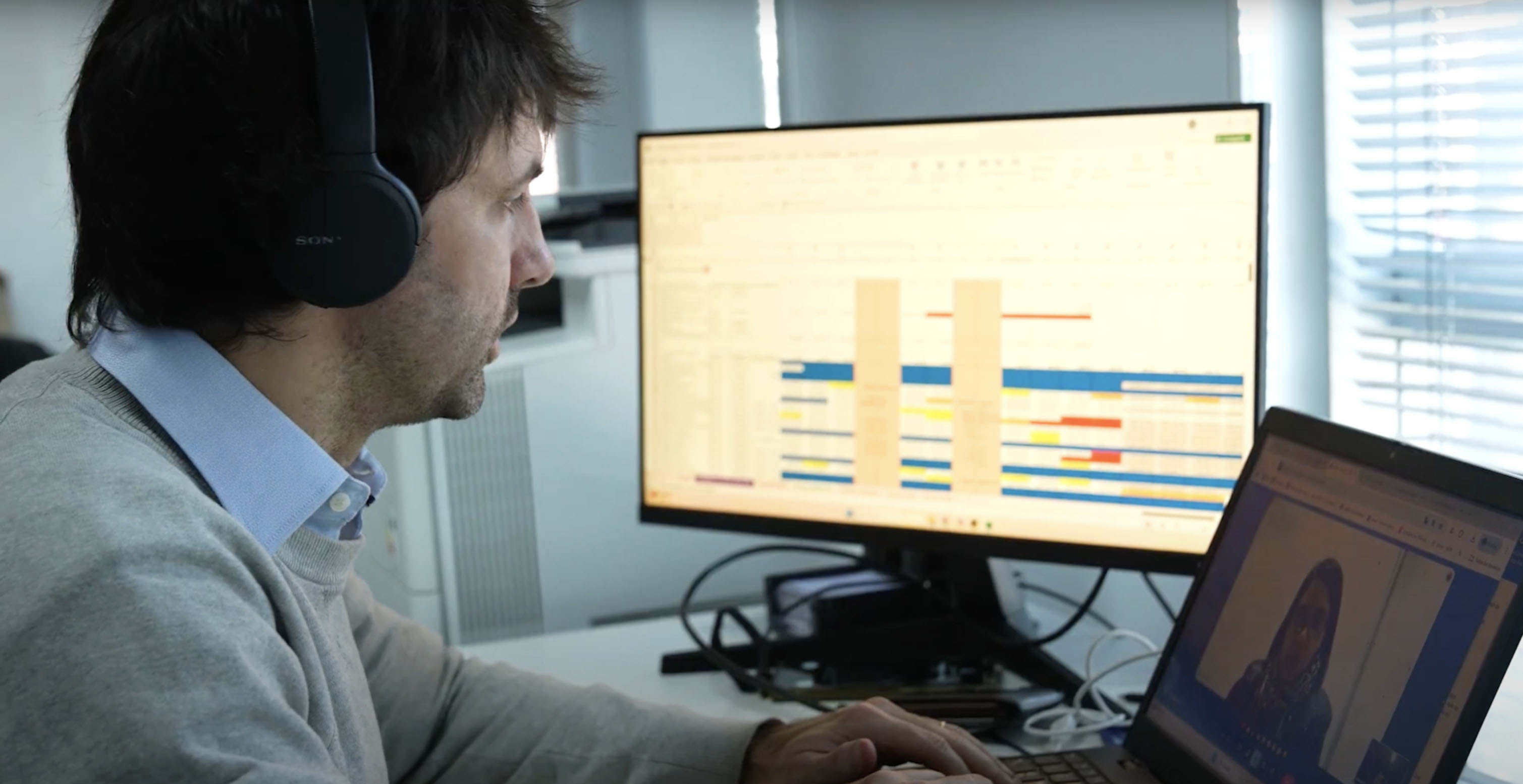
This is where two key concepts for digital competitiveness come into play: monitoring and observability. “Monitoring allows us to follow in real time how systems and applications work, while observability goes one step further: it helps to understand what is happening within the entire digital ecosystem, analyzing data, metrics and records to anticipate failures before they reach the end user”, explains Cholakian.
Observability connects all critical layers: infrastructure, applications, and the customer experience. By correlating this information, a complete narrative is formed that links the symptom with its technical cause. The Big Difference: Everything Happens In real time, preventing a small problem from turning into a major impact on the business.
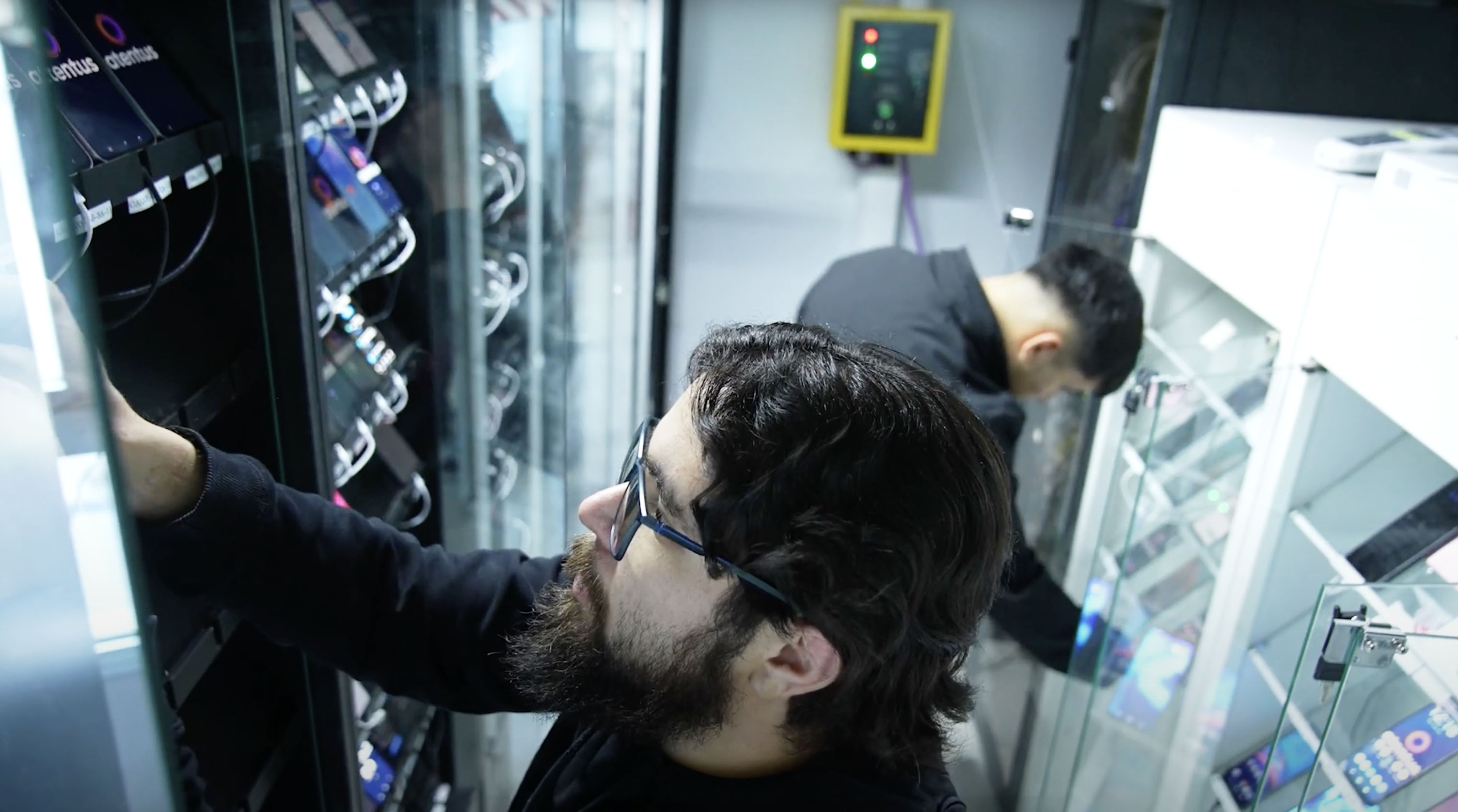
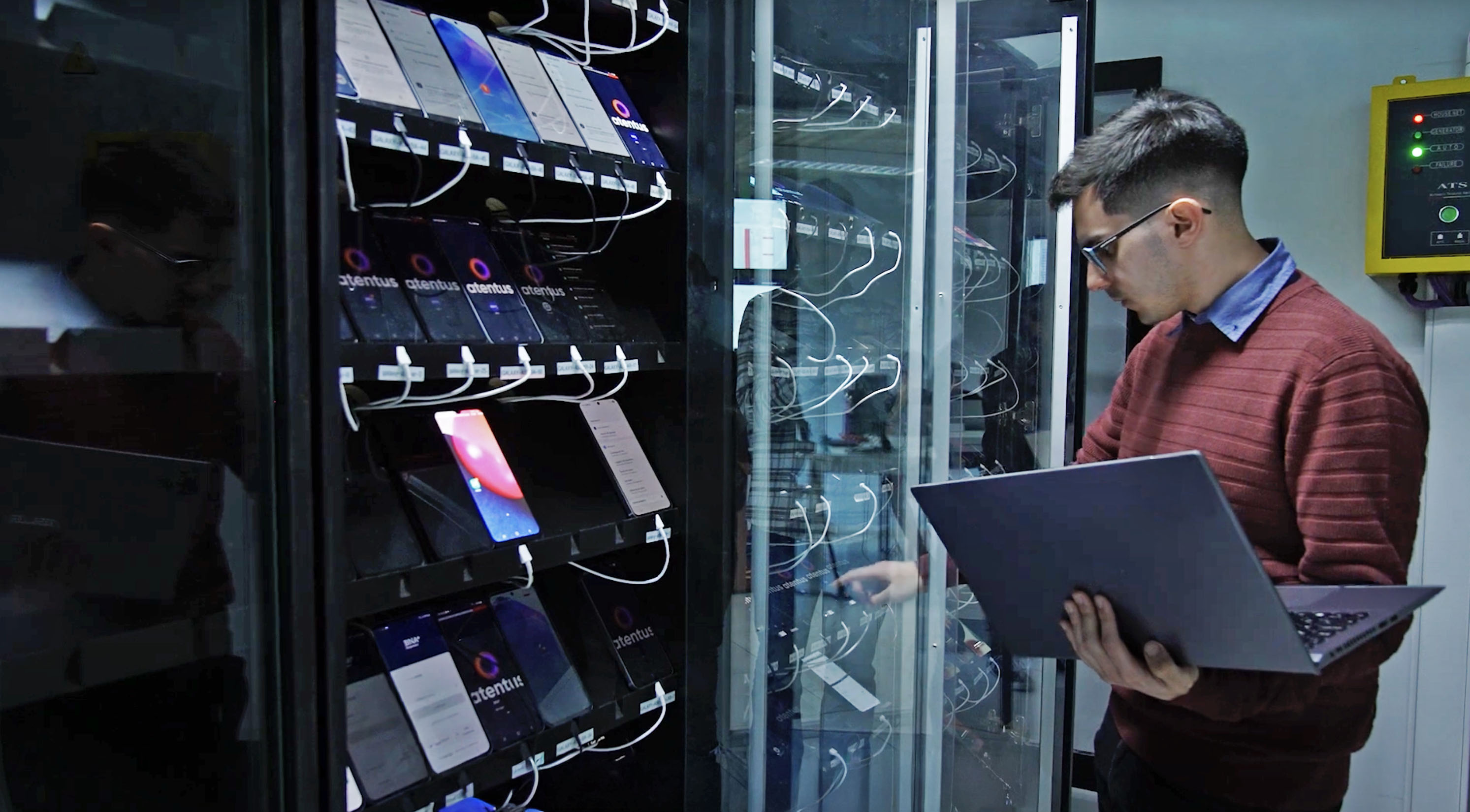
What tools are effective for these situations? What is recommended in these cases is the synthetic monitoring, which simulates the navigation of real users on websites, apps or automated systems. “This allows us to detect early authentication errors, failures in integrations with third parties or slow purchasing processes, problems that often explain the loss of conversions and frustrate buyers”, affirms the directive.
The risks of not having a solid observability scheme are clear: loss of customers and revenues due to service failures, saturation of service channels by frustrated users, or loss of trust when the digital experience is not up to what the consumer expects. In dynamic markets, especially during high-traffic events such as Black Friday or Cyber Monday, digital continuity is already a factor of reputation as well as of profitability.
The lesson is simple but strategic: the digital experience is not improvised, it is managed, and that management requires incorporating the user's invisible voice in real time. In the era where trust travels at the speed of a click, Prevention is worth much more than cure.
Source: The Post (Argentina).
https://thepostarg.com/institucionales/cada-segundo-cuenta-el-costo-oculto-de-los-errores-y-retrasos-en-sitios-web-de-e-commerce/































%20vs%20Monitoreo%20Sint%C3%A9tico.avif)