What we are looking for is not just to measure if something is available, but to ensure that it works, is fluid and generates trust. In the digital economy, user experience is the true competitive advantage.
In an environment where customer loyalty depends on the fluidity of an app or the speed of a transaction, simply saying: “the platform is available” is no longer enough. Atentus, a company with more than two decades of experience in Synthetic Monitoring, promotes in Latin America a model of Observability digital that goes beyond uptime (time when a digital system, service or channel remains active and available without interruption).
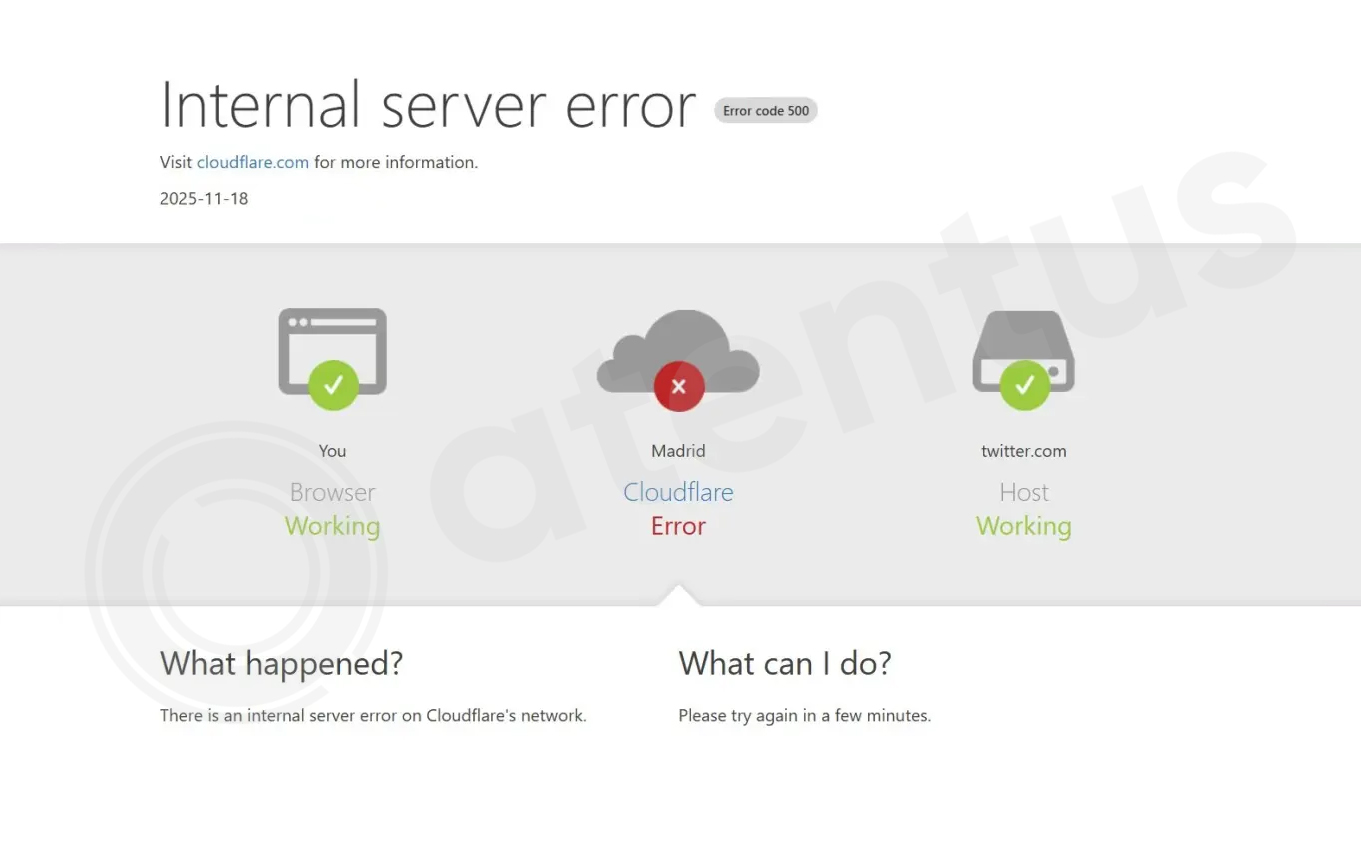
The goal of Atentus is to understand how the user actually experiences each interaction with digital channels. “A page may be technically available, but if it takes several seconds to load or a button doesn't respond, the experience is already damaged,” explains Jessica Gutierrez, country manager of Atentus Mexico, in an interview with Mobile Time Latin America.
The difference, he adds, is that uptime is binary, while digital performance is multidimensional. “Our purpose is to anticipate deviations, understand the causes and ensure frictionless experiences before the end user notices it.”
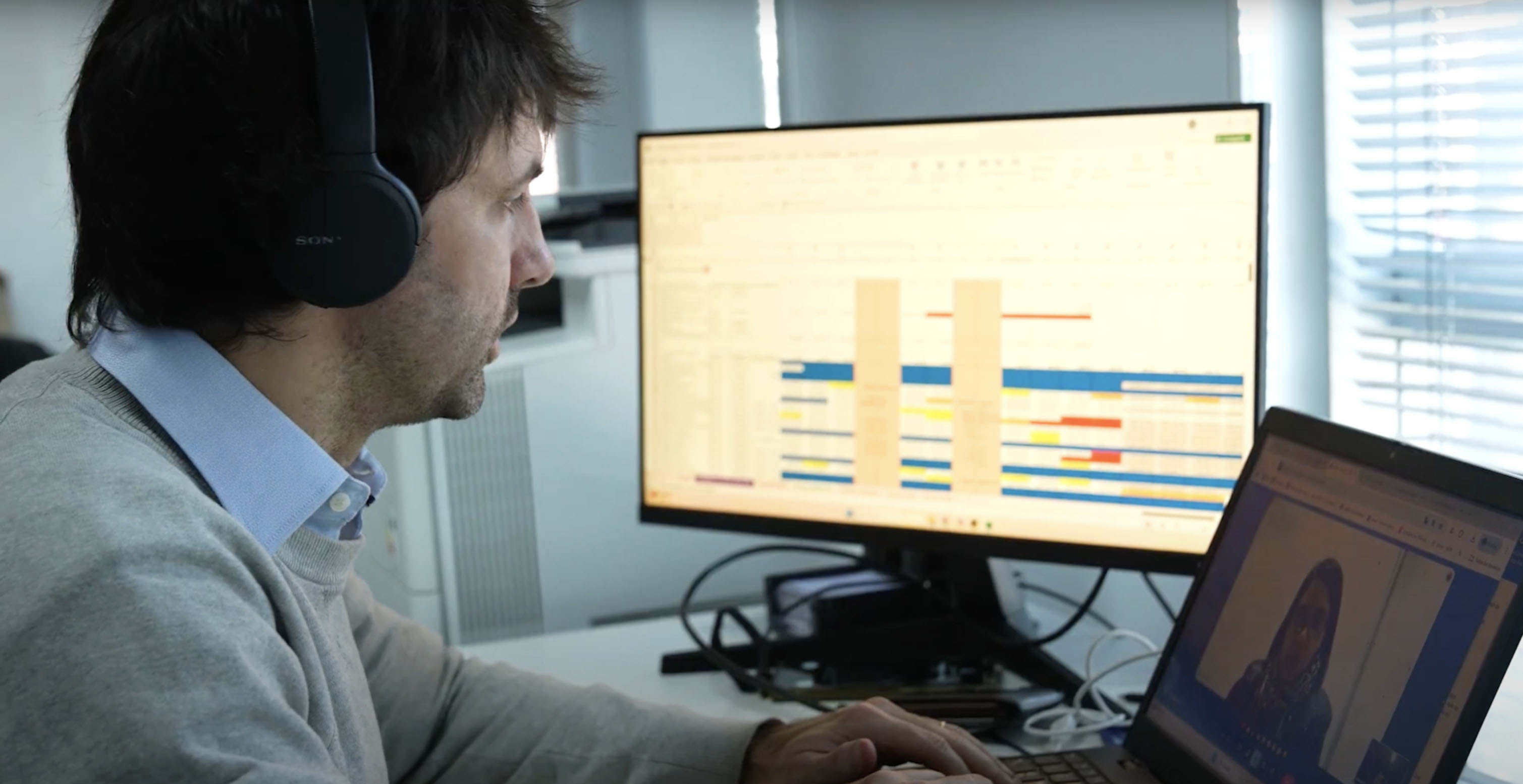
Atentus Technology Uses Bots or “automated users” that simulate the journey of a real user 24 hours a day, both on websites and in mobile applications.
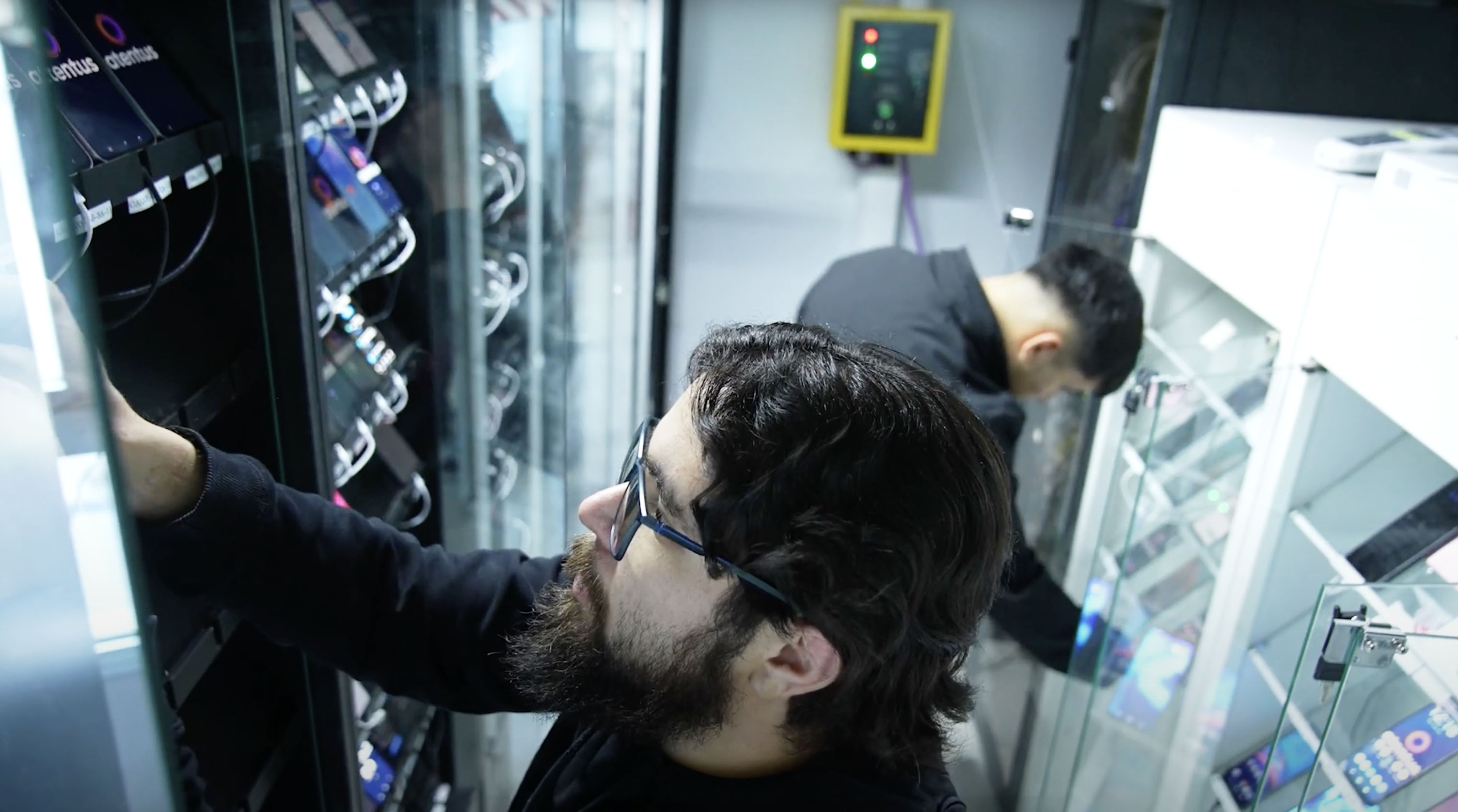
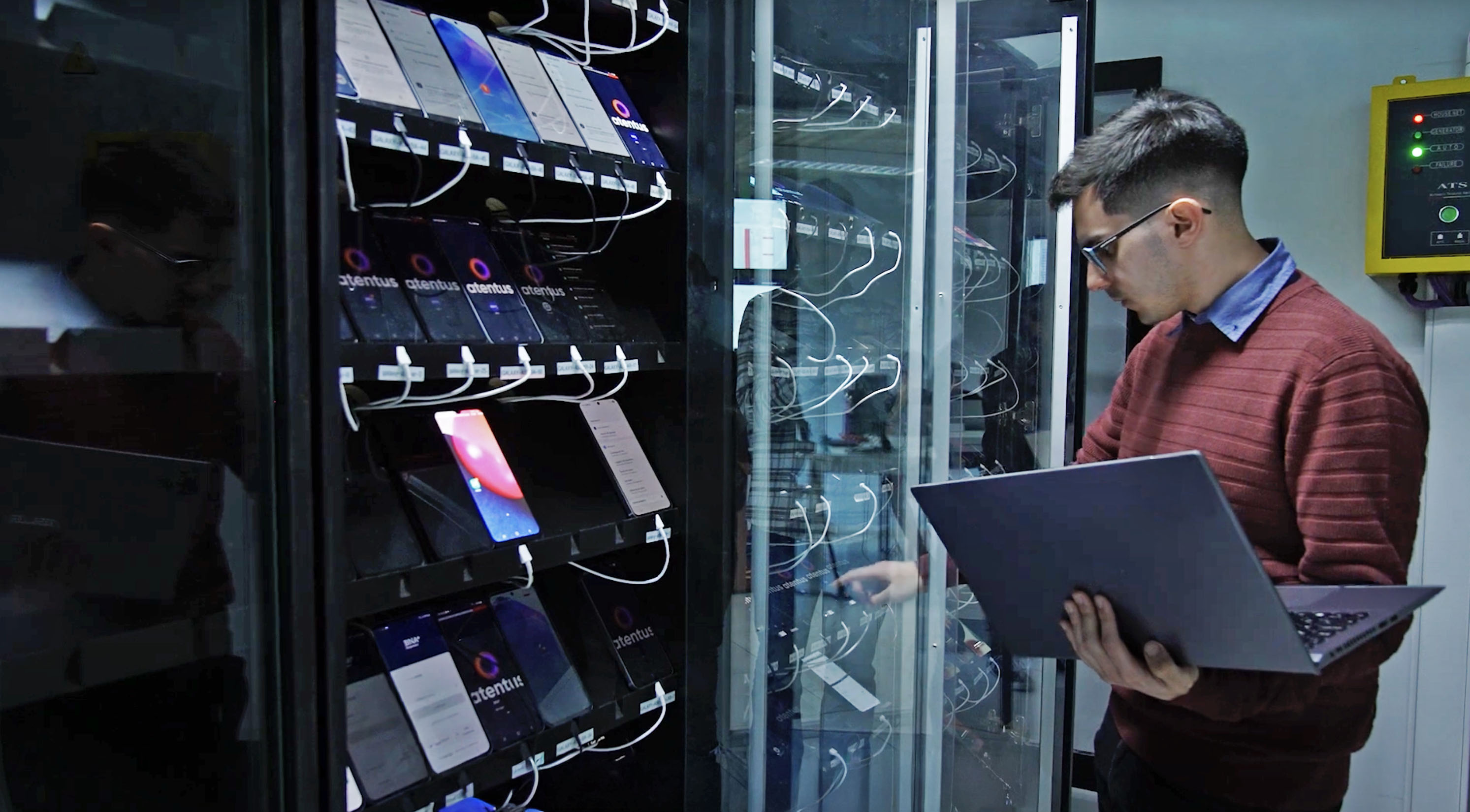
In the mobile environment, the system replicates transactions on real devices Android and iOS, measuring performance in complex processes such as transfers, QR payments or token authentication.
The non-intrusive approach makes it possible to monitor even applications under development without the need to install additional software, and to send verified alerts in real time via SMS, Telegram, Slack or WhatsApp.
“The advantage is that we can proactively detect faults, even during low concurrency hours or before user complaints are generated. This translates into efficiency, savings and superior responsiveness for companies,” adds Gutierrez.
Founded in 2001, Atentus has accompanied the digital evolution of Latin American companies, adapting its methodology to a transformation that went from informational (static sites) to transactional, then to the mobile era, later to IVRs and answering machines, and today to Virtual Assistants and AI.
“Each stage required replicating more complex experiences and integrating metrics and simulations that cross multiple platforms,” says the board.
One of the biggest challenges in the region has been to adapt to the dynamics of each market, from local contingencies to the rates of technological adoption.
“Being flexible and respectful of each cultural context, without losing our identity, has allowed us to transfer knowledge between countries and strengthen our value proposition throughout LATAM,” says Gutierrez.
The firm has more than 20 global observation points and Simultaneous monitoring from the main telecommunications operators in the region —including Telmex, Claro, AT&T, Alestra, Totalplay and Movistar—, which guarantees a comprehensive view of digital performance from the user's point of view.
Its technology has been adopted by companies such as BBVA, Santander, Elektra and fintechs such as Actier. In the case of BBVA Argentina, robotic monitoring made it possible to detect flaws in the mobile app before they impacted users, while Activa in Mexico used the platform to record content errors and response times on different channels, leading to more informed business decisions.
With the acceleration of digitalization and the adoption of microservice-based architectures, digital observability has become a strategic component for organizations.
For Atentus, the next step is to integrate artificial intelligence and predictive analytics to anticipate incidents and correlate the impact between infrastructure, business and user experience.
“The trend is to combine intelligent automation with human interpretation,” says Gutierrez. “AI can detect patterns or predict declines, but the value lies in the expert judgment that interprets data and translates it into strategic actions.”
Among its recent developments, the company launched an API that centralizes data from different monitoring tools and a 24×7 alert service via WhatsApp, aimed at improving immediate response to critical incidents. With these innovations, Atentus seeks to consolidate itself as a technological partner in the digital competitiveness of Latin American companies.
“Safeguarding perfect user experiences is part of our DNA,” concludes Gutierrez. “What we are looking for is not just to measure if something is available, but to ensure that it works, is fluid and generates trust. In the digital economy, user experience is the true competitive advantage.”
































%20vs%20Monitoreo%20Sint%C3%A9tico.avif)