Software stress tests they help you determine how a system, apps or websites would behave under extreme load. The objective is more to determine an upper limit than to identify bottlenecks. That way, you can be prepared for unexpected circumstances. How to take advantage of stress tests and how Atentus can you help him?
What are stress tests?
The stress test It is a type of software test that verifies the stability and reliability of the application, app or web. The purpose of stress testing is to measure the robustness and error handling capabilities of the software under extremely heavy load conditions and to ensure that the software does not crash in critical situations.
During stress testing, the application under test (AUT) is bombarded with a heavy load for a set period of time to verify the breaking point and see how well the error is handled.
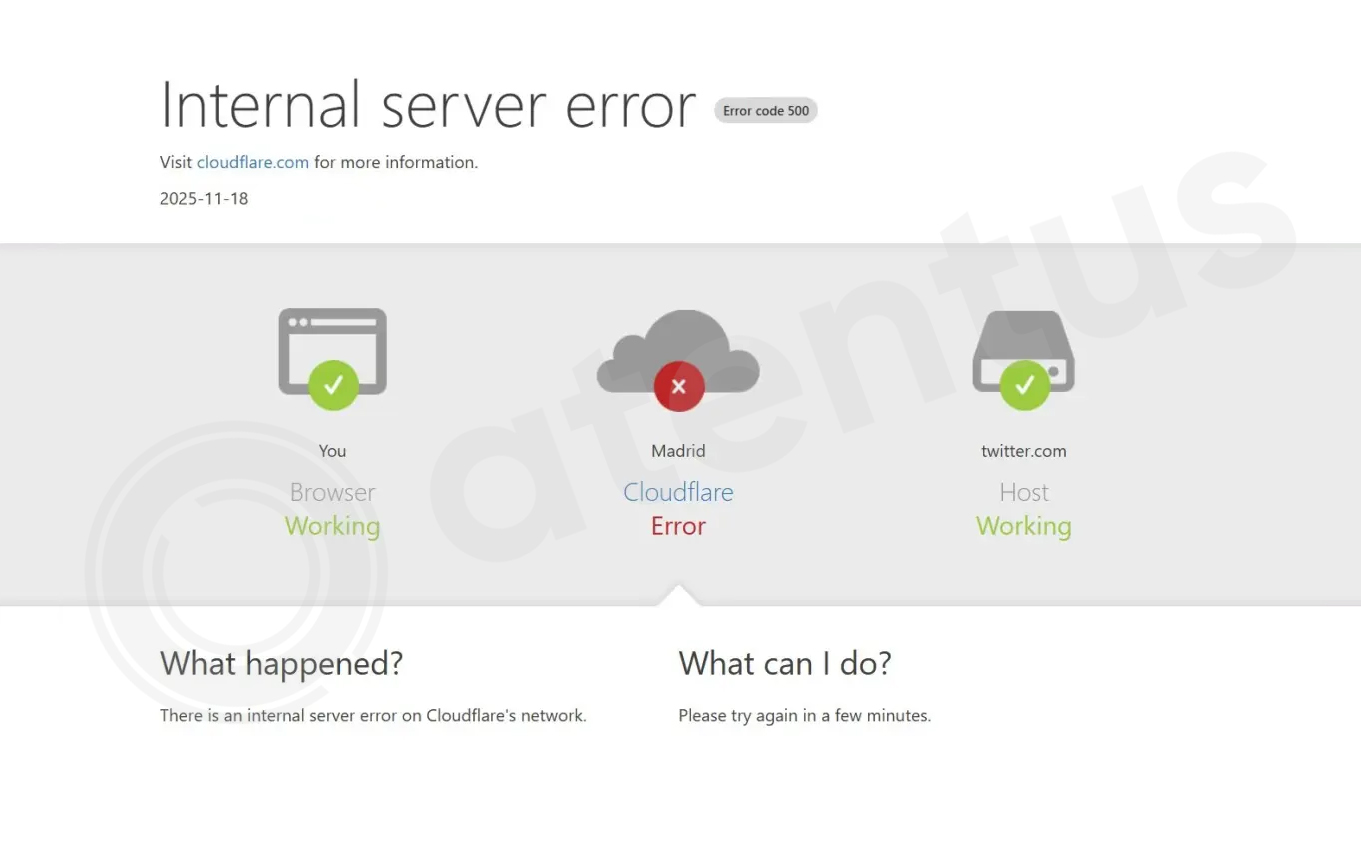
For example, in cyberspace, Hot Sale or commercial events, it is often seen that some websites, apps or systems do not load or take too long to respond. What's more, in Atentus we have seen critical cases where some ecommerce businesses have lost millions in sales opportunities because the page crashed because it couldn't support the number of users who logged in to browse simultaneously. That is why it is important to carry out stress tests prior to these important dates.
Examples of software stress tests
In Atentus we have carried out stress tests on various industries such as retail, e-commerce, banking and financial institutions and universities. Here are some examples:
- Commercial shopping apps or websites should perform stress tests as the load becomes very high during festivals (Cyber, Hot Sale or Black Friday), sales or the period of special offers.
- Financial or transactional apps or websites must perform a stress test as the load increases at times such as when a company's stock goes up, many people log in to their accounts to buy or sell, online shopping websites redirect to 'Net-bankers' 'for payment, and so on.
- Universities and educational entities, especially before enrollment and exam periods
- Web or email applications must be stress-tested.
- Social media websites or apps, blogs, etc., need to undergo stress tests, etc.
Types of stress tests
- Server-client stress test : In this stress test, the test is performed on all clients of the server.
- Product stress testing : Product stress testing focuses on discovering defects related to locking and locking data, network problems, and performance congestion in a software product.
- Transaction stress tests : Transaction stress tests are performed on one or more transactions between two or more applications. It is carried out to fine-tune and optimize the system.
- Systematic stress tests : Systematic stress tests are integrated tests that are used to perform tests on several systems running on the same server. It is used to discover defects in which data from one application blocks another application.
- Analytical stress tests : Analytical stress tests are performed to test the system with abnormal parameters or conditions that are unlikely to happen in a real scenario. It is carried out to find defects in unusual scenarios such as a large number of users connected at the same time or a database that disconnects when accessed from a website.
Why do stress tests
The following are some technical reasons behind performing stress tests:
- To verify system behavior under abnormal or extreme load conditions.
- To find the numerical value of users, requests, etc., after which the system may fail.
- Handle the error kindly by displaying appropriate messages.
- Be well prepared for such conditions and take precautionary measures such as code cleaning, database cleaning, etc.
- To verify data handling before the system breaks down, that is, to see if the data was deleted, saved or not, etc.
- To verify the security threat under such breakage conditions, etc.
Stress Test Metrics:
Metrics are used to evaluate stress performance and are usually performed at the end of scripts or stress tests. Some of the metrics are given below.
- Pages per second: number of pages requested per second and number of pages loaded per second.
- Recovered pages: average time needed to retrieve all the information from a particular page.
- Byte retrieved: It takes an average amount of time to retrieve the first byte of information from the page.
- Transaction response time: the average time it takes to load or transact between applications.
- Transactions per second: It counts the number of transactions successfully loaded per second and also counts the number of failures that occurred.
- Connection Failure: Count the number of times the customer faced a connection failure on their system.
- System Attempt Failure: Count the number of failed attempts on the system.
- Rounds: It counts the number of test conditions or script successfully executed by customers and keeps track of the number of failed rounds.
Atentus Methodology
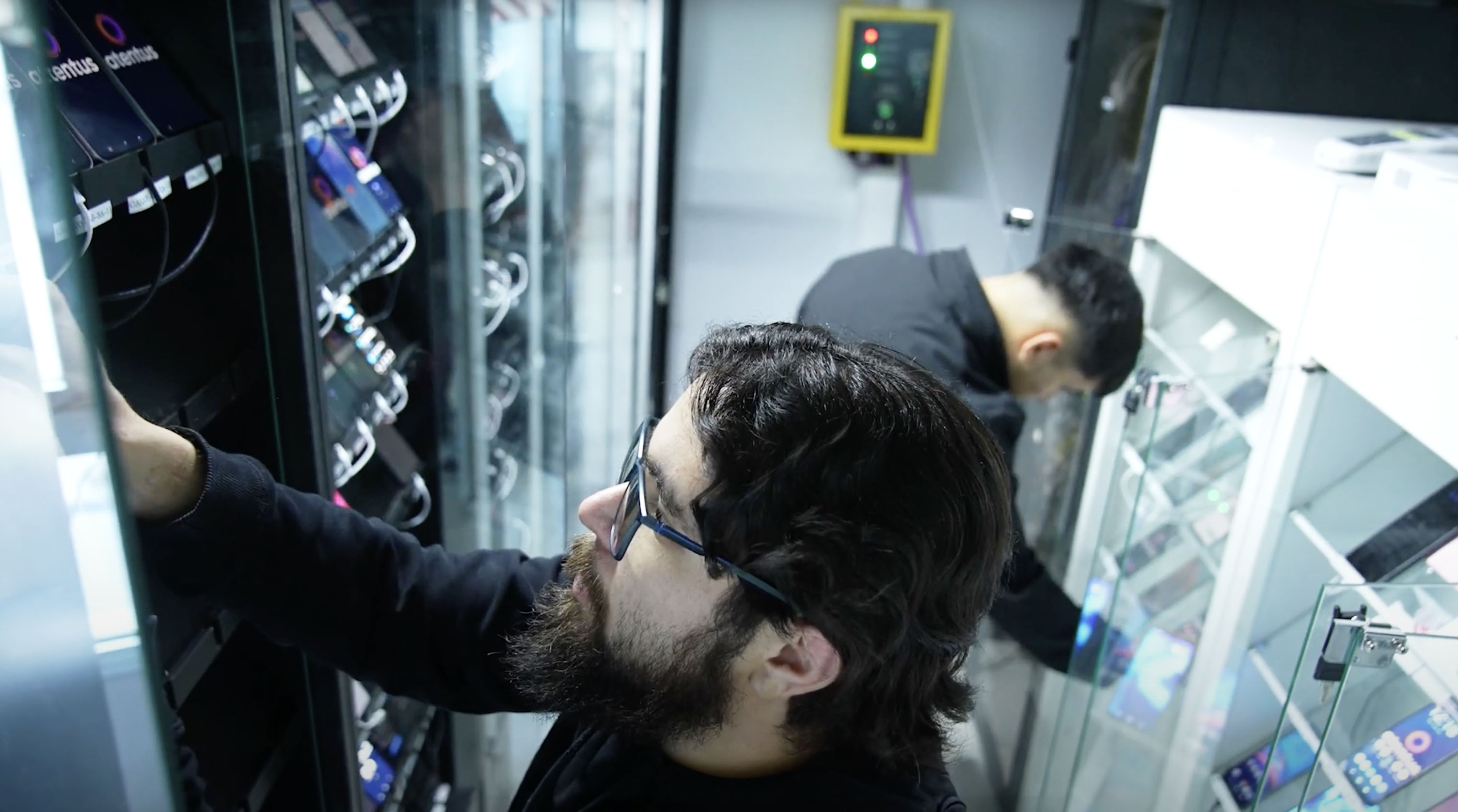
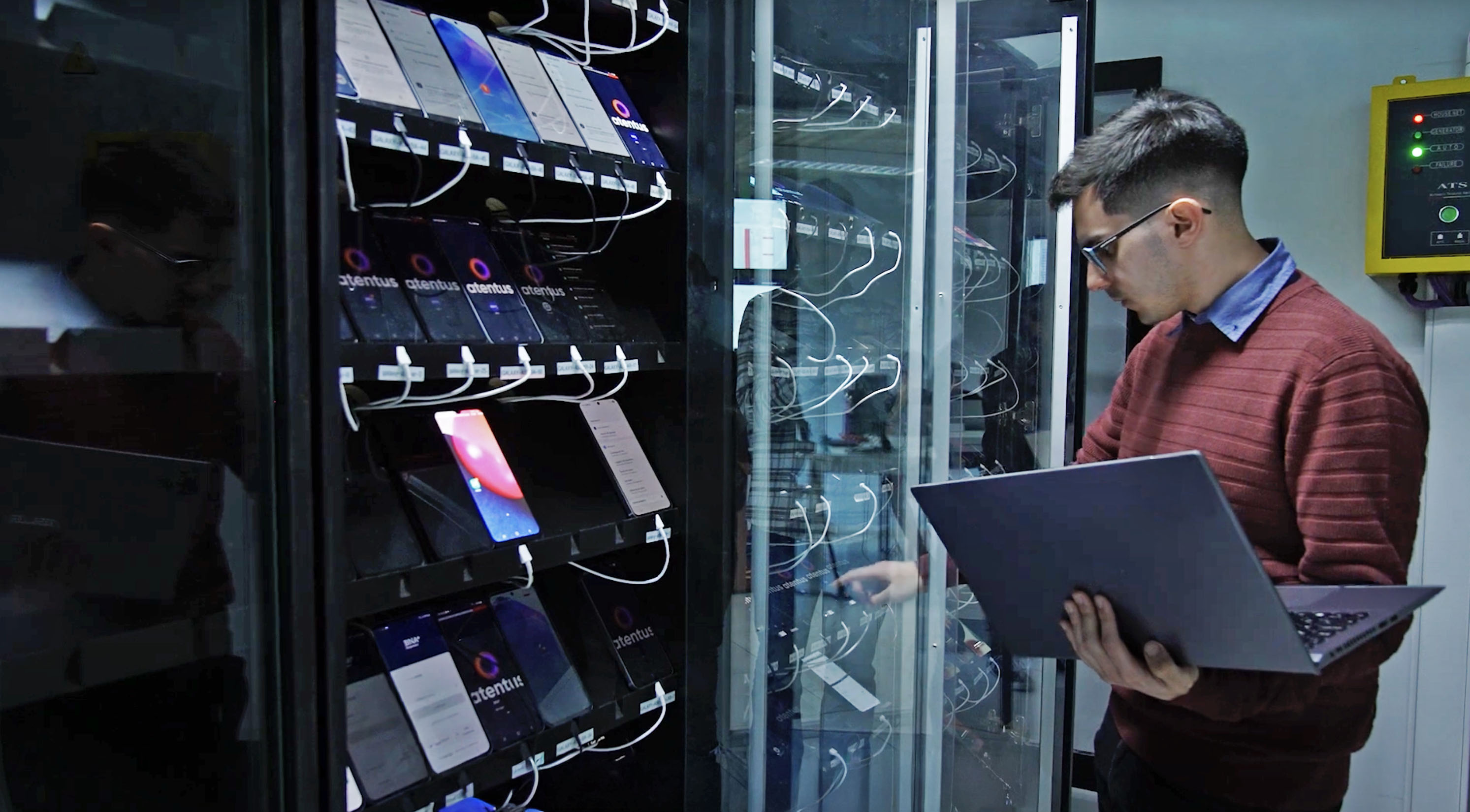
Atentus has its own and unique methodology in the market, which consists of the installation of monitoring stations in the data centers of the main national and international internet service providers, generating users automatically, allowing us to objectively obtain the website's attention capacity and performance at different load levels.
?What does it consist of?
This service of Atentus consists of carrying out load or stress tests on your web platforms, determining the capacity of your site in the face of a high number of users. This is possible thanks to Atentubots that generate automatic and massive navigation, stressing and degrading the client's application or web platform, in order to know their real behavior and capacity in the face of the demand for multiple simultaneous sessions.
Do you want to perform load and stress tests? request a demonstration here gratis.
































%20vs%20Monitoreo%20Sint%C3%A9tico.avif)