AI, digital security and operational efficiency are leading a new era of e-commerce, where personalization and trust make the difference.

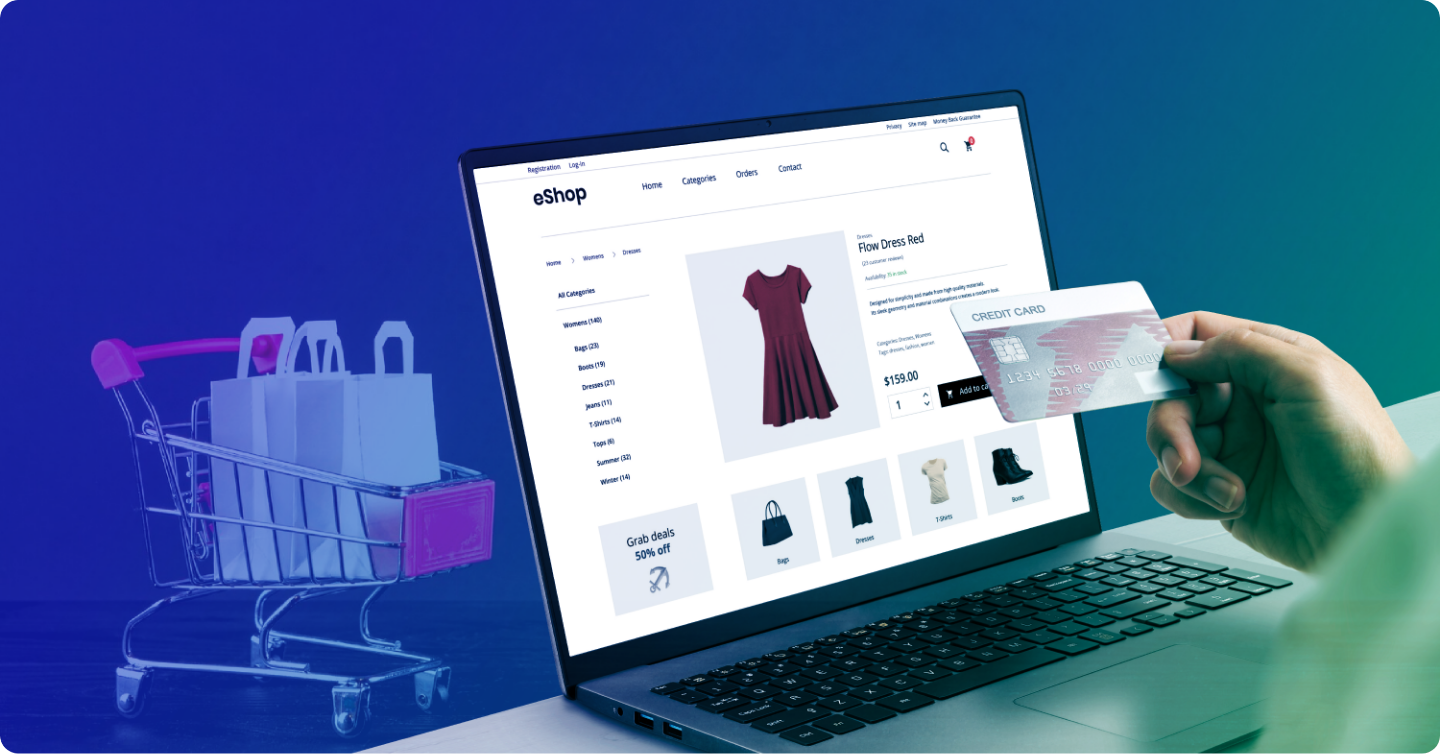
E-commerce is preparing for another historic peak with the arrival of Cyber Monday 2025. What began as a day of discounts transformed into an economic and technological phenomenon that redefines the way in which Argentines buy, compare and decide. This year, AI, digital security and operational efficiency appear as the three pillars of a new phase of online consumption. In a context of sustained growth and greater user sophistication.
In this edition, AI is positioned as a strategic ally for both consumers and brands. From Tiendanube, they provide five key tips to make the most of this technology during the event.
“The challenge is to become a consumer engineer. AI works best when you're specific about what you're asking for. Instead of asking 'are there deals on televisions? ' , detailed prompts should be used. For example: 'Find the three best 55-inch OLED TVs with more than 25% off, good reviews and for less than $500,000. '”
Recommendations include using AI to compare products and not just prices, asking for summaries of user reviews. As well as looking for personalized gifts based on the tastes of the person who will receive the gift. Also request complementary products to those already chosen and set up intelligent budgets with defined maximum amounts.
“More and more everyday tools offer us functionalities related to AI, and online sales are not left out of this trend. On key dates such as Cyber Monday, where promptness and personalization are decisive, AI allows each interaction to be more efficient, empathetic and aligned with real customer needs.” This was stated by Camila Nasir, Communication and Brand Manager at Tiendanube.
Tiendanube recently presented Chat Nube, its AI-based conversational solution for customer service via WhatsApp. Adapt each brand's tone of voice and improve sales conversion.
Argentine e-commerce grew by 79% year-on-year during the first half of 2025. And it already represents 25% of total sales, as indicated by the Argentine Chamber of Electronic Commerce (CACE). The phenomenon is massive: more people are buying from their cell phones, choosing fast shipping and taking advantage of exclusive benefits. However, with the growth, digital scams are becoming more sophisticated. “We no longer see only misspelled messages. Today there are sites that replicate logos, promotions identical to the real ones, and even fake customer service chats. Shopping online is increasingly simple, fast and secure, but the challenge is to learn to use it wisely.” This was indicated by Javier Tepedino, head of Information Security at Banco del Sol.
The main digital security recommendations include manually accessing official websites, avoiding public WiFi networks, activating bank alerts. And be wary of requests for verification codes (OTP) by WhatsApp or email. “No serious entity will ask you for a code by message to complete a purchase. If they rush you, it's time to distrust.” Banco del Sol assures that the Argentine financial system is ready to withstand peaks in digital consumption. With real-time monitoring and automatic barriers to suspicious movements.
According to the CACE MID TERM 2025 Study, e-commerce registered unprecedented growth: 79% in annual turnover. With an average ticket of $102,444 and the main categories, white goods, tools and construction, and accessories for cars and motorcycles. There were more than 500,000 new buyers who joined the online channel, and 9 out of 10 companies offered installments, most of them up to six. Home delivery was the most chosen option (52%), followed by spot pickup (42%).
“During 2025, 7% of the vouchers issued were in dollars. It is a sign of diversification and a response to the exchange environment. Cyber Monday represents a great opportunity to capitalize on this trend and consolidate business models that work both in pesos and in hard currency.” This was emphasized by the CEO of Facturante, Lorena Comino.
According to the CACE, during the three days of the event, sales can multiply between three and five times compared to a normal day. This “multiplier” requires comprehensive planning that encompasses stock, shipping, customer service and payment processing.
“Beyond the urgency of express shipping, we observed that 12% of buyers choose to receive their order on a scheduled date. In the fashion, cosmetics and beauty segment, 28% pay more for same-day shipping. Consumers value flexibility as much as speed.” This was stated by Franco Tertzakian, CEO of shipnow, who stressed that logistics today is a competitive differential.
In parallel, the advancement of automation platforms such as Prometheo, an AI-powered CRM, redefines business management. “Prometheo connects with WhatsApp, Instagram or online stores and responds in real time using all business information. It gives prices, confirms stock, charges orders and allows you to trade 24×7”.
“In times of uncertainty, budgeting becomes a job in and of itself. Before buying, families prepare, compare, hunt for promos. It's not just saving, it's reducing anxiety.” This was stated by Mariela Mociulsky, CEO of Trendsity. The specialist defines “bimodal consumption”: what can be financed (such as cars or durable goods) rises and what is experiential (such as tourism or entertainment) falls. “The opportunities lie in selling certainties: packaging value, finance and service, and speaking in clear language: how long it lasts, how much it saves and how long it takes.”
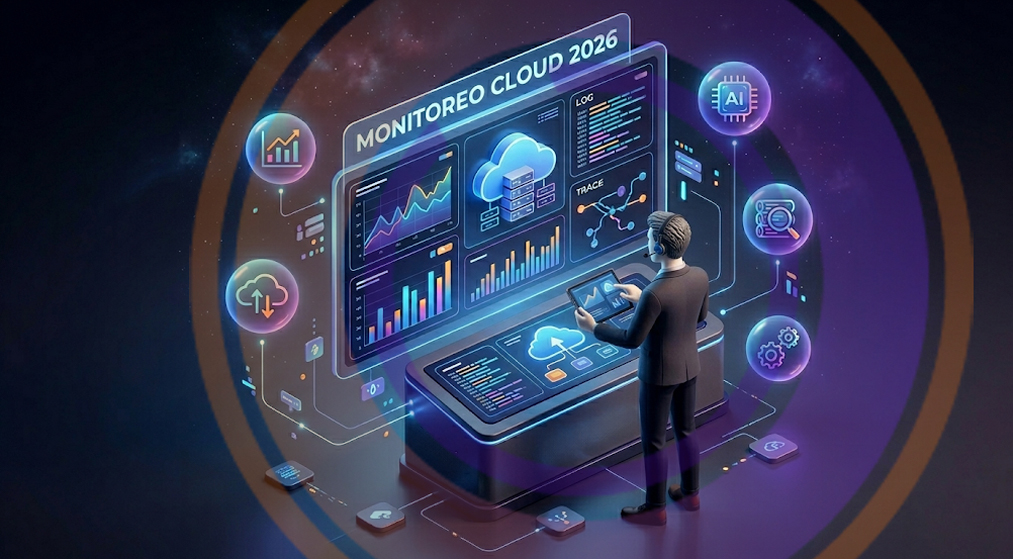
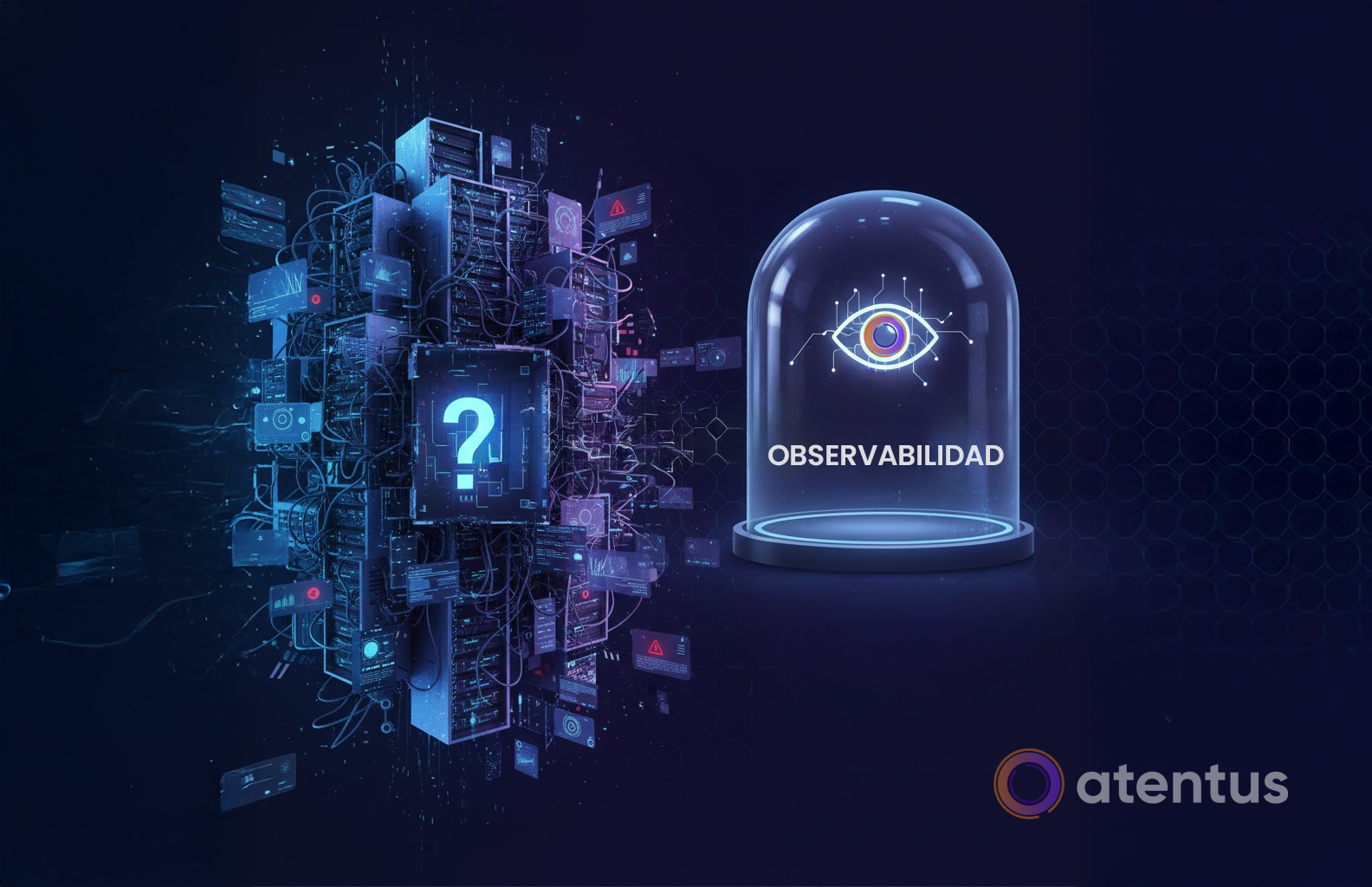
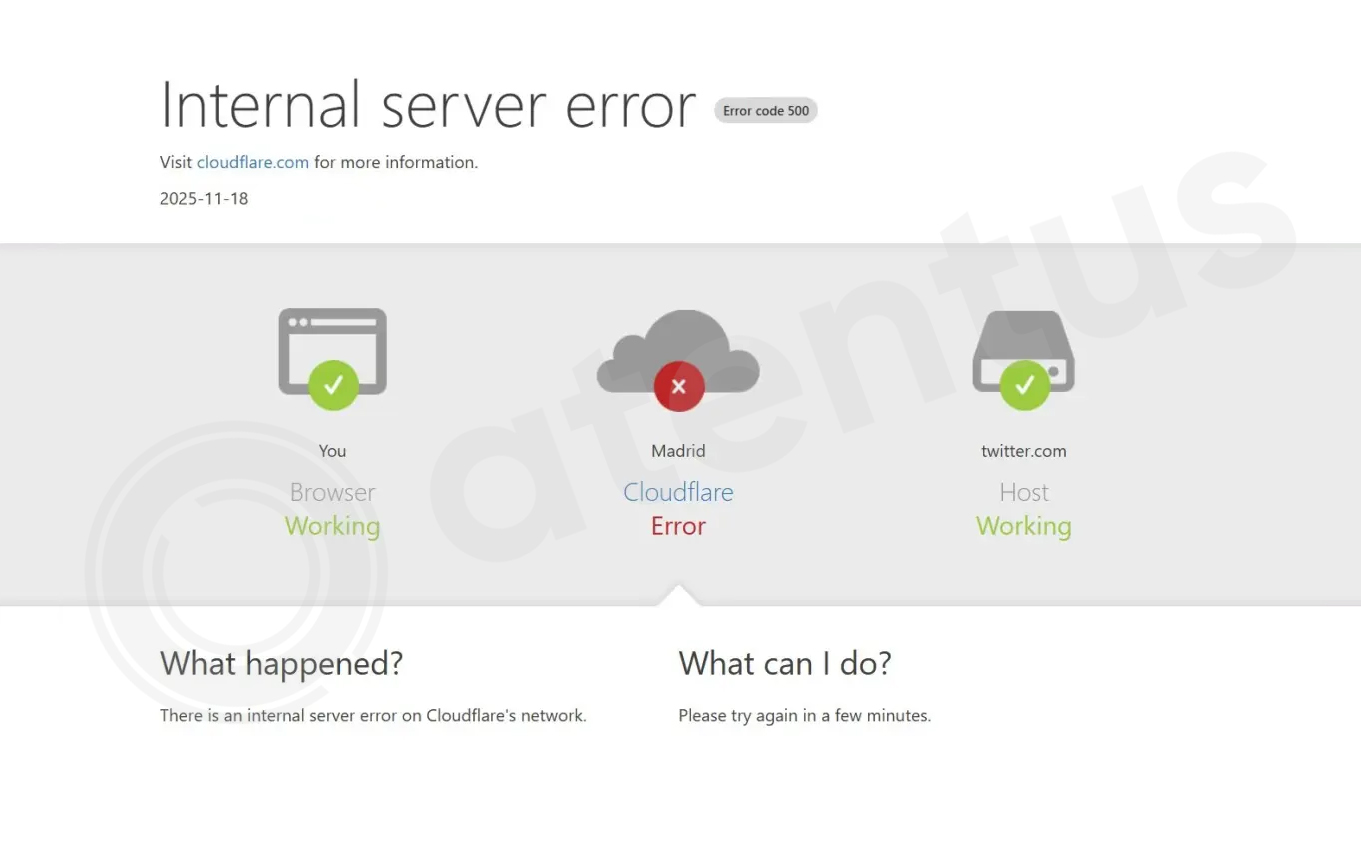
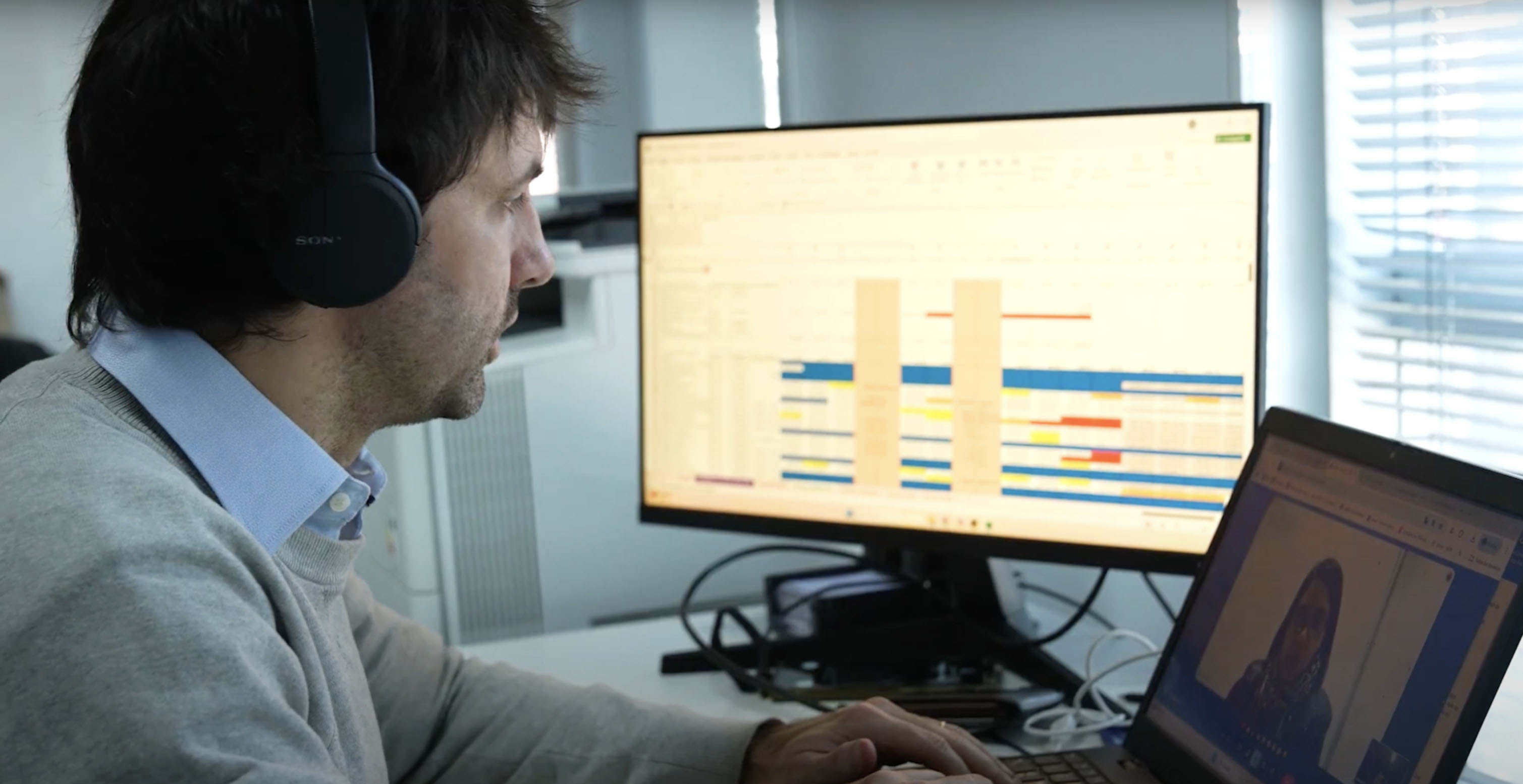
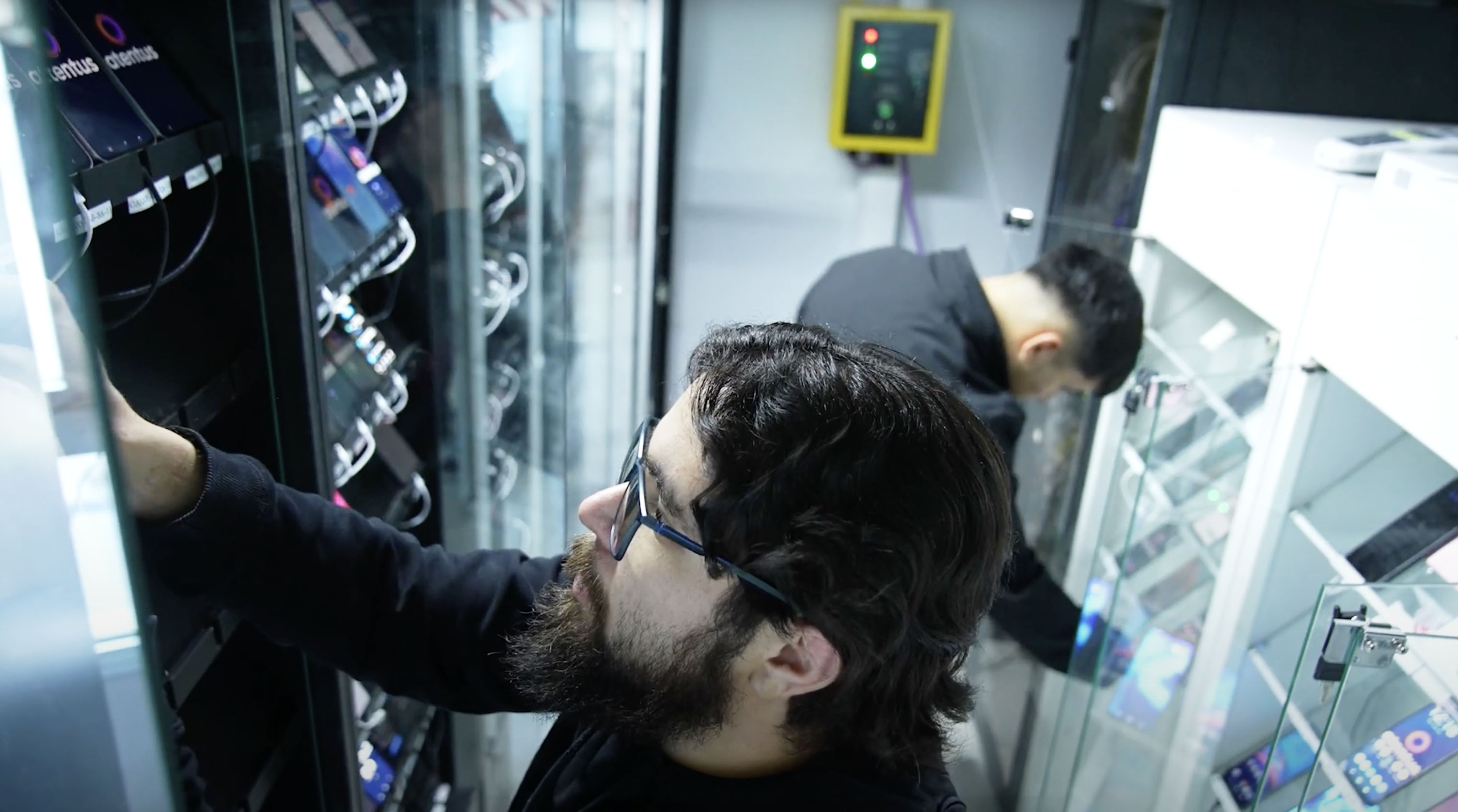
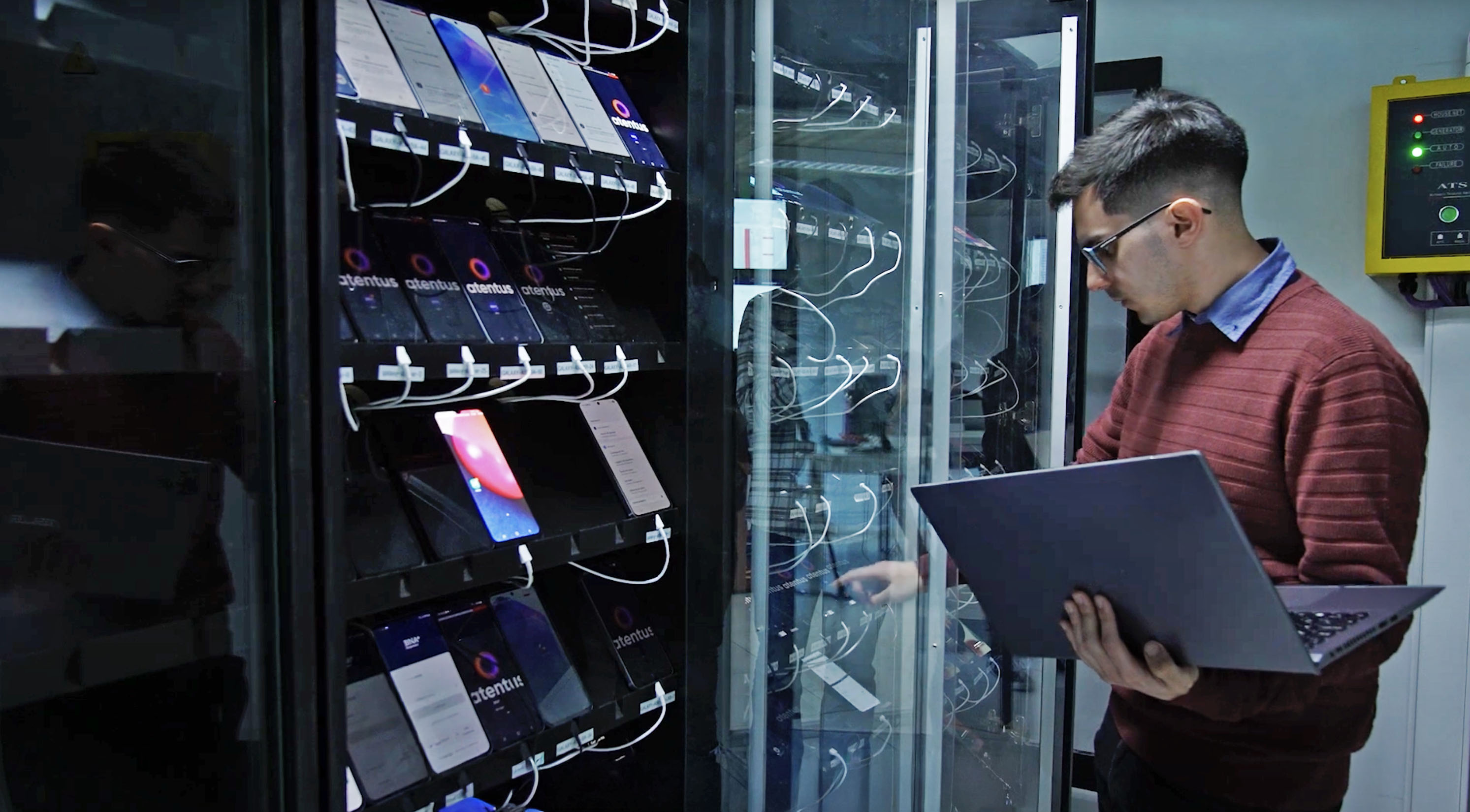
In the online ecosystem, what you don't see is often the most decisive thing, such as digital security. “Every second of delay or error on digital platforms represents a direct risk to the brand. Proactive monitoring and observability are now strategic conditions for maintaining user trust.” This was pointed out by Florencia Tcholakian, manager of Atentus, who warned that invisible failures can transform a record day into millions of dollars in losses. Observability “goes beyond monitoring. It helps to understand what is happening within the digital ecosystem, correlating data and metrics to anticipate failures before they affect the end user.”

























%20vs%20Monitoreo%20Sint%C3%A9tico.avif)